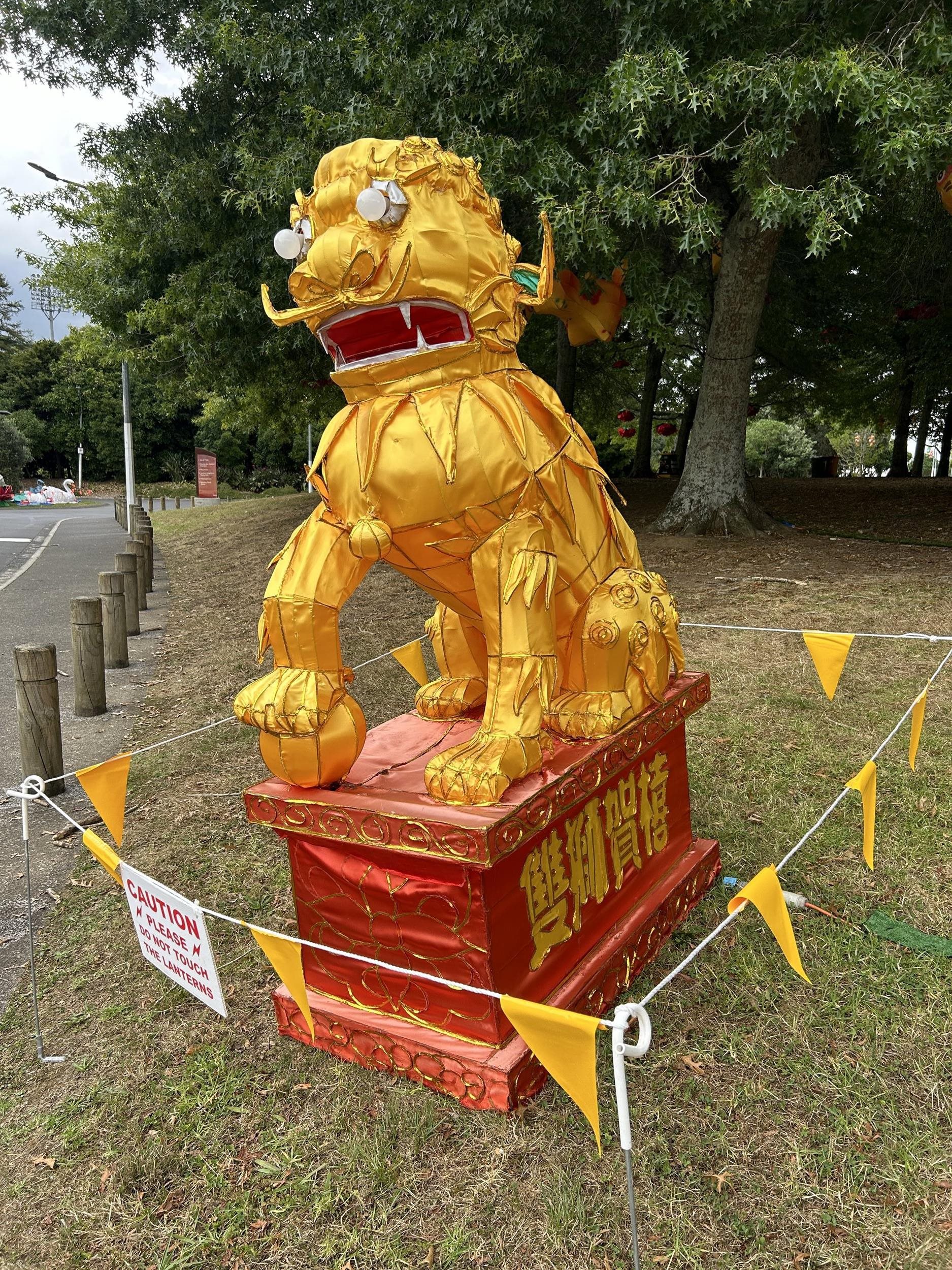
Foo Lions (Chinese Guardian Lions)
The Fu (or Foo) Lions, also known as Chinese Guardian Lions, are traditional stone statues placed at the entrances of important buildings such as palaces, temples and government structures. They always appear in pairs, with one male and one female.
The male lion is typically shown with a paw resting on a ball, while the female is depicted with a cub. Together, they symbolise protection, balance and guardianship. These Foo Lion lanterns were gifted by the Chinese city of Ningbo in celebration of the sister city relationship between Auckland and Ningbo.
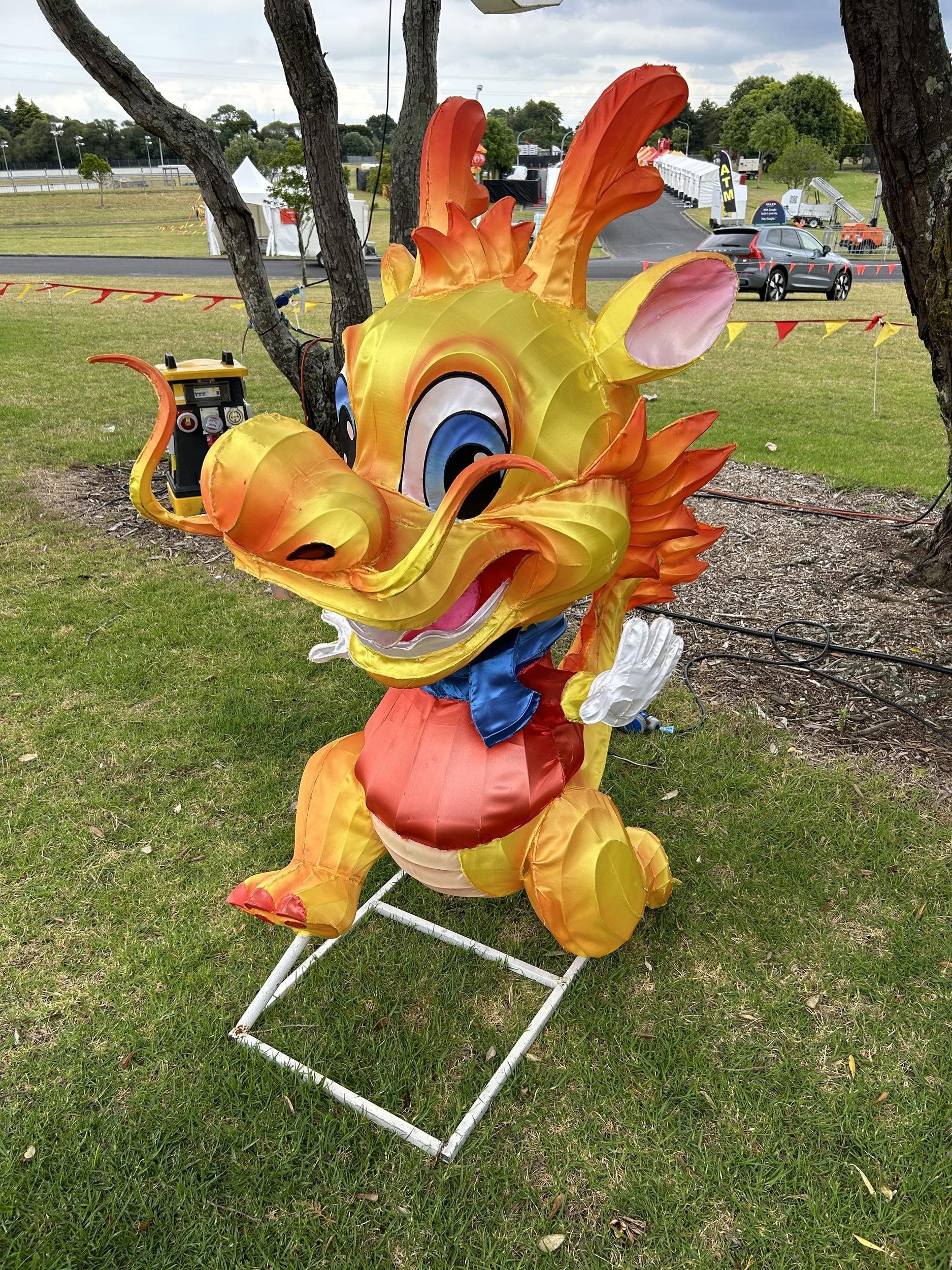
Dragon
Birth years: 2024, 2012, 2000, 1988, 1976, 1964
The Dragon is one of the most revered symbols in Chinese culture, representing power, ambition and good fortune. Historically, the Dragon was associated with emperors and authority, symbolising strength and leadership.
The Dragon is admired for vitality and confidence, and is often linked with success and aspiration. In cultural storytelling, it represents excellence, honour and the pursuit of achievement.
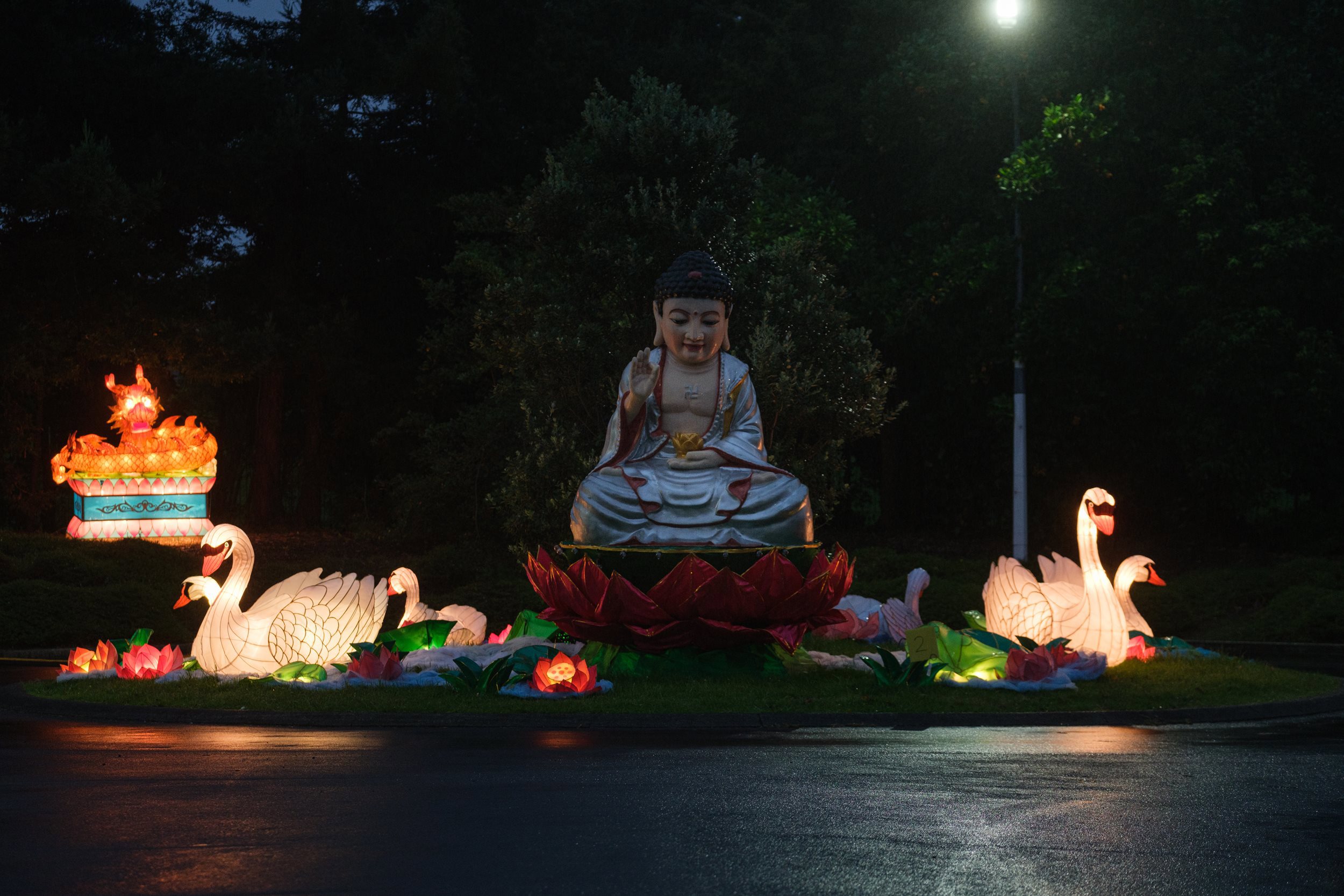
Buddha
The Buddha is depicted with his right hand raised in the Abhaya Mudra, a gesture symbolising protection and fearlessness. This pose represents reassurance and calm in the face of uncertainty.
The sacred lotus flower associated with the Buddha symbolises purity and spiritual awakening. This lantern reflects themes of peace, mindfulness and compassion, which are central to Buddhist teachings and philosophy.
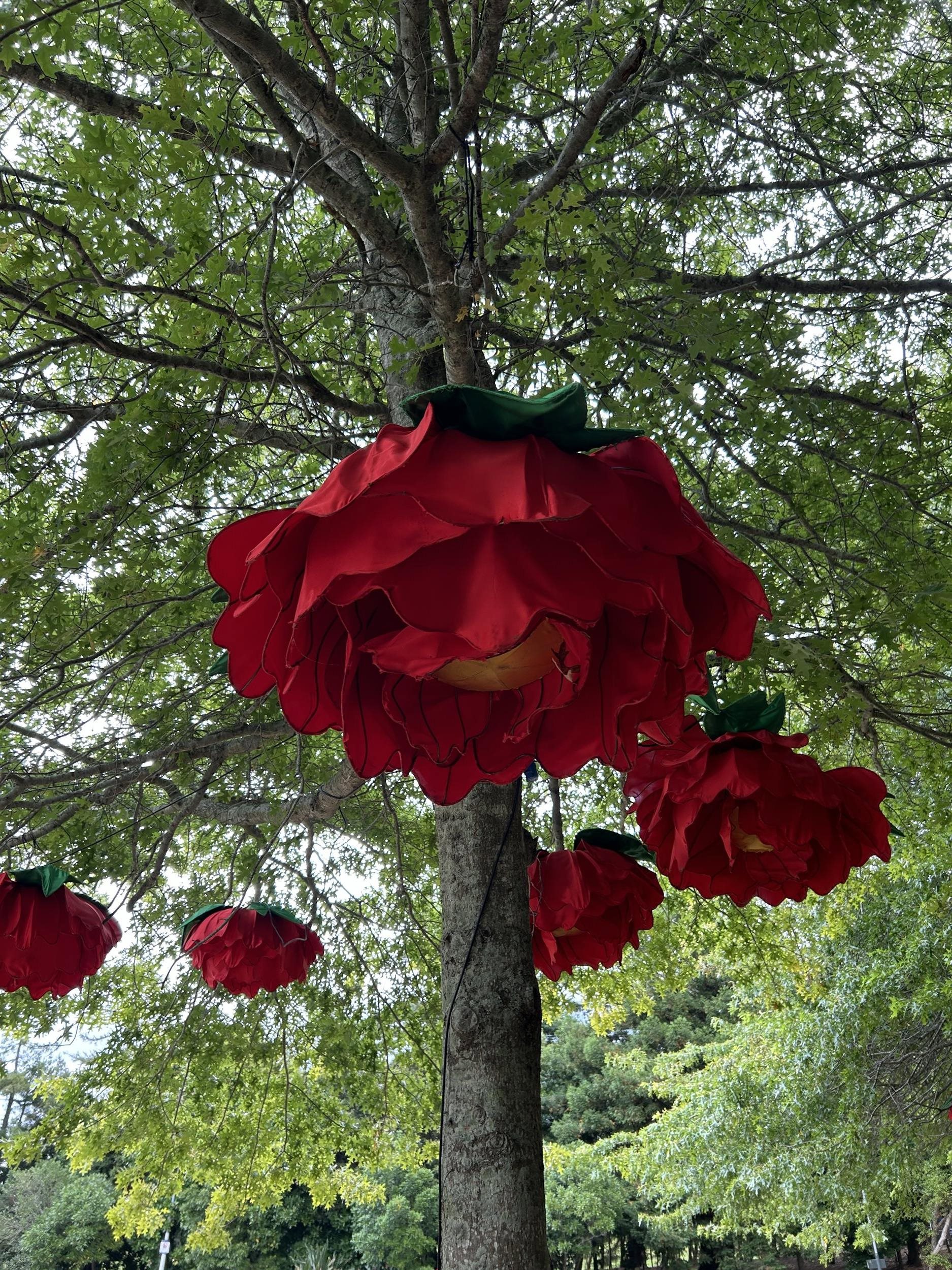
Floral Gan
This lantern depicts a floral garden, reflecting the importance of gardens in Chinese culture as spaces of harmony and balance. Traditional gardens are carefully designed to bring together plants, water and stone, creating miniature landscapes for reflection and calm.
Flowers often carry symbolic meaning. Peonies are linked with prosperity, lotuses with purity, and chrysanthemums with resilience. The garden represents a blend of nature, art and philosophy.
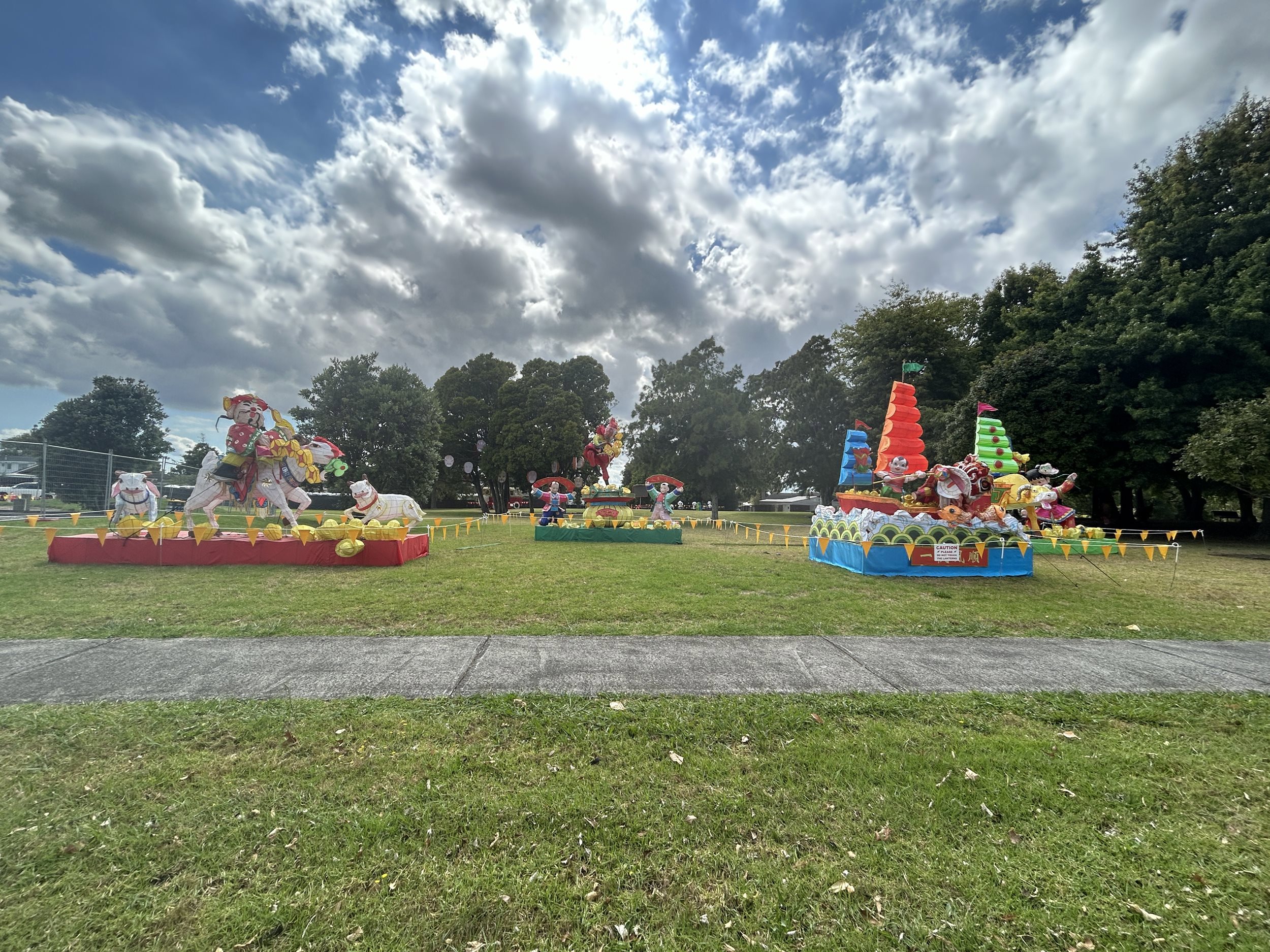
Sister Cities
This lantern represents sister city relationships, which celebrate friendship and cultural exchange between cities from different countries. These partnerships are established to promote mutual understanding and cooperation.
Sister city relationships often involve the sharing of ideas, cultural experiences and community connections. This lantern reflects the importance of international friendship and long-standing relationships.
Auckland has formal sister city and partnership relationships in China with Guangzhou, Ningbo and Qingdao. These long-standing relationships support cultural exchange, education, trade and tourism, strengthening connections between Tāmaki Makaurau Auckland and cities across China.
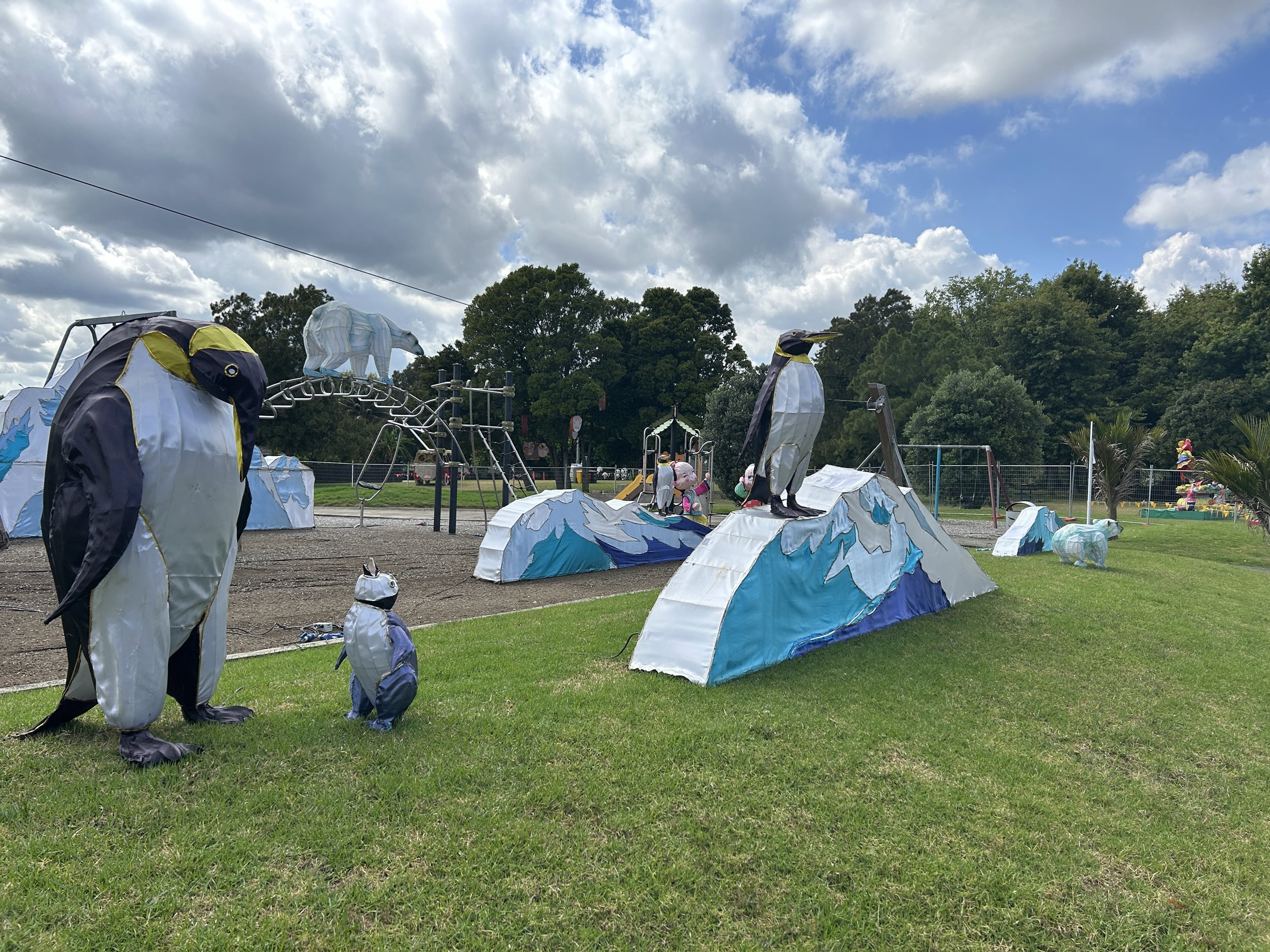
Penguin Playground
This lantern features penguins, birds admired for their strong social bonds and cooperative behaviour. Native to the Southern Hemisphere, penguins are known for working together to protect and raise their young in challenging environments.
In this display, penguins symbolise community, teamwork and resilience, reflecting the importance of cooperation and shared care.
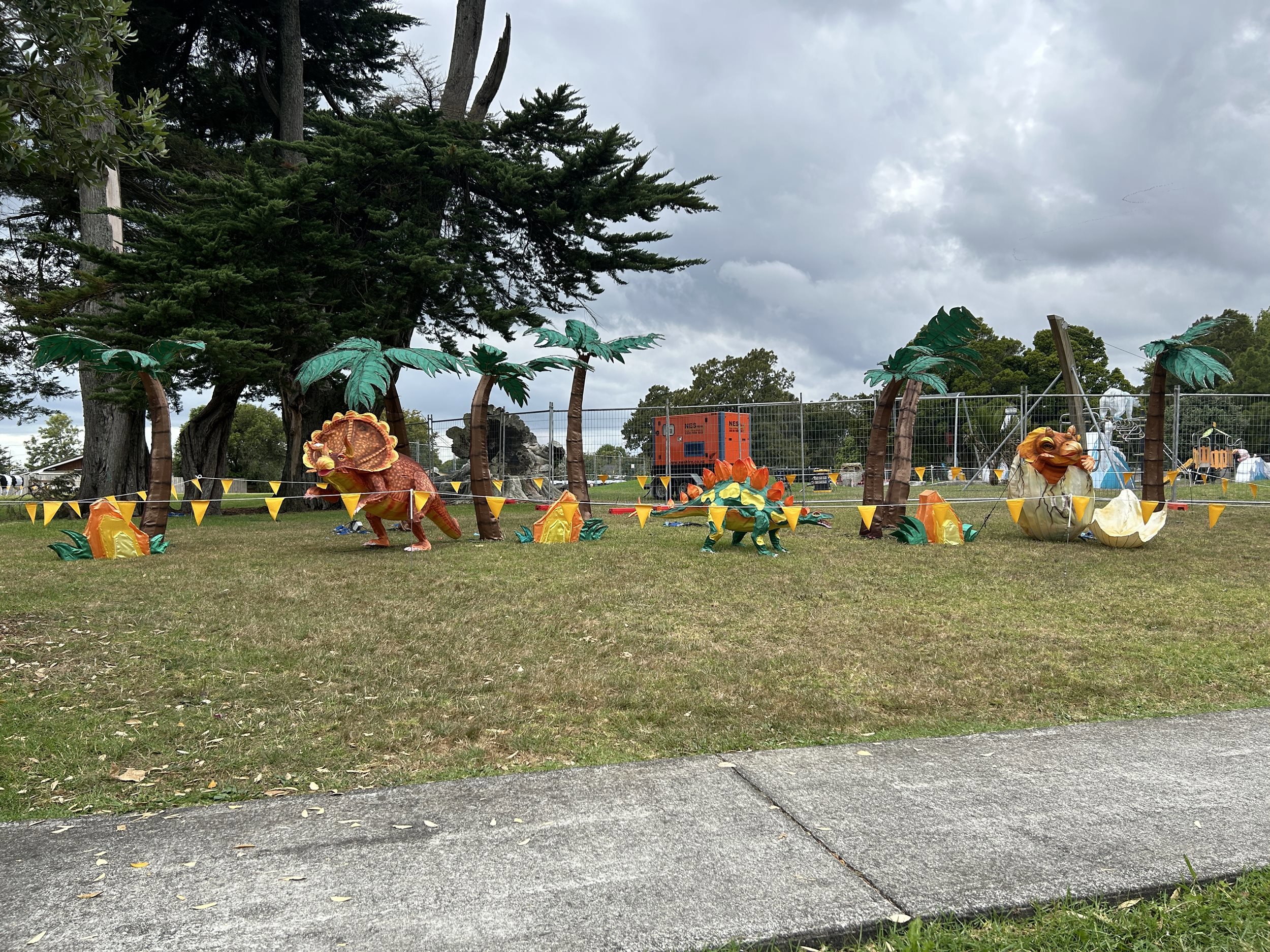
Dinosaurs
For centuries, people in China believed dinosaur fossils were the bones of dragons. These beliefs became part of local folklore and traditional stories passed through generations.
Today, China is internationally recognised as an important centre for dinosaur research, with many significant fossil discoveries contributing to scientific understanding and knowledge of prehistoric life.
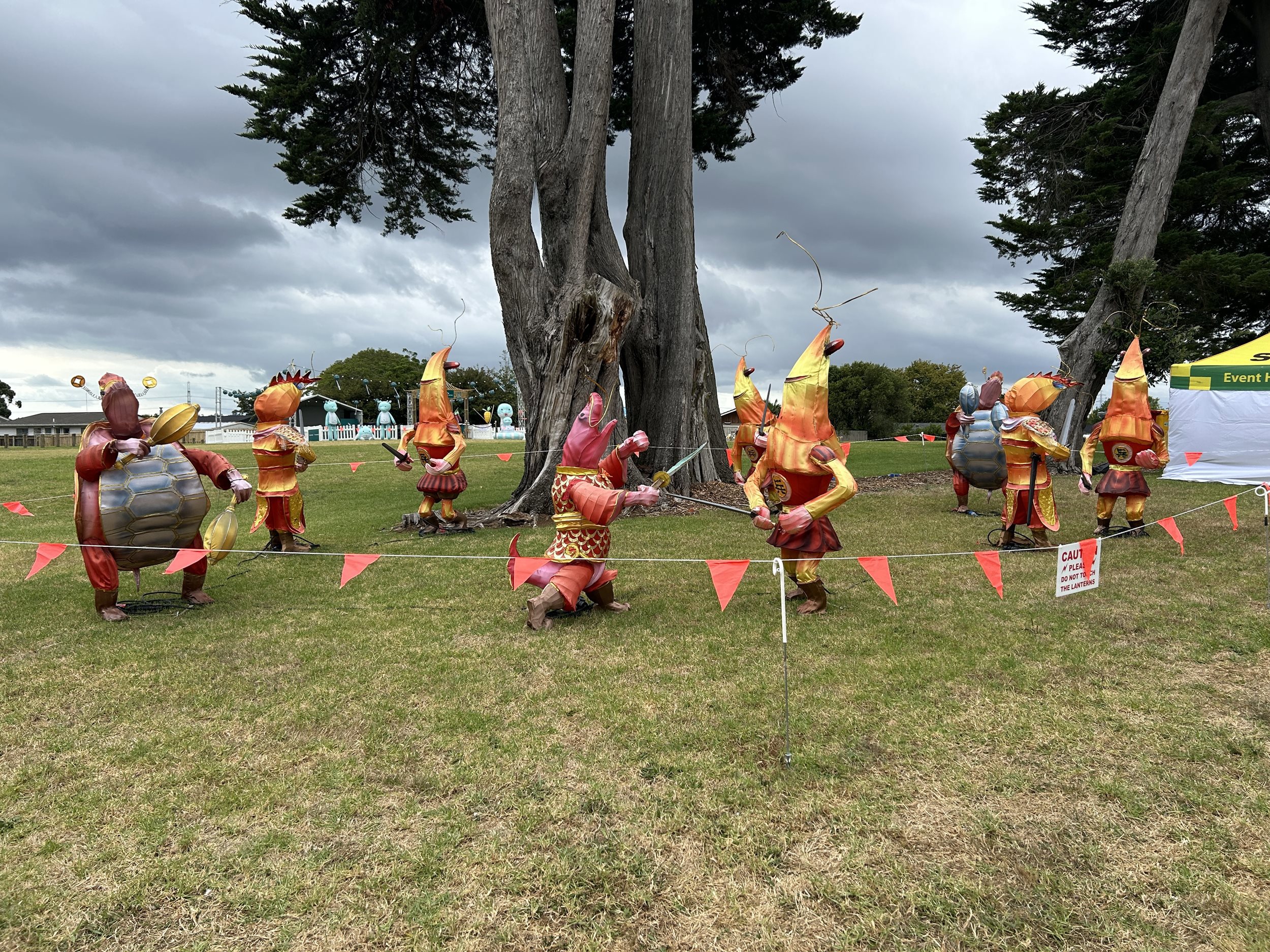
Shrimp soldiers and Crab General
“Shrimp Soldiers and Crab Generals” is a Chinese idiom originating from mythology. It is used to describe forces that appear impressive in number but lack strength.The story tells of a crab general and his army of shrimp who ultimately defend their kingdom against a stronger enemy. The tale symbolises resilience and determination despite appearances.
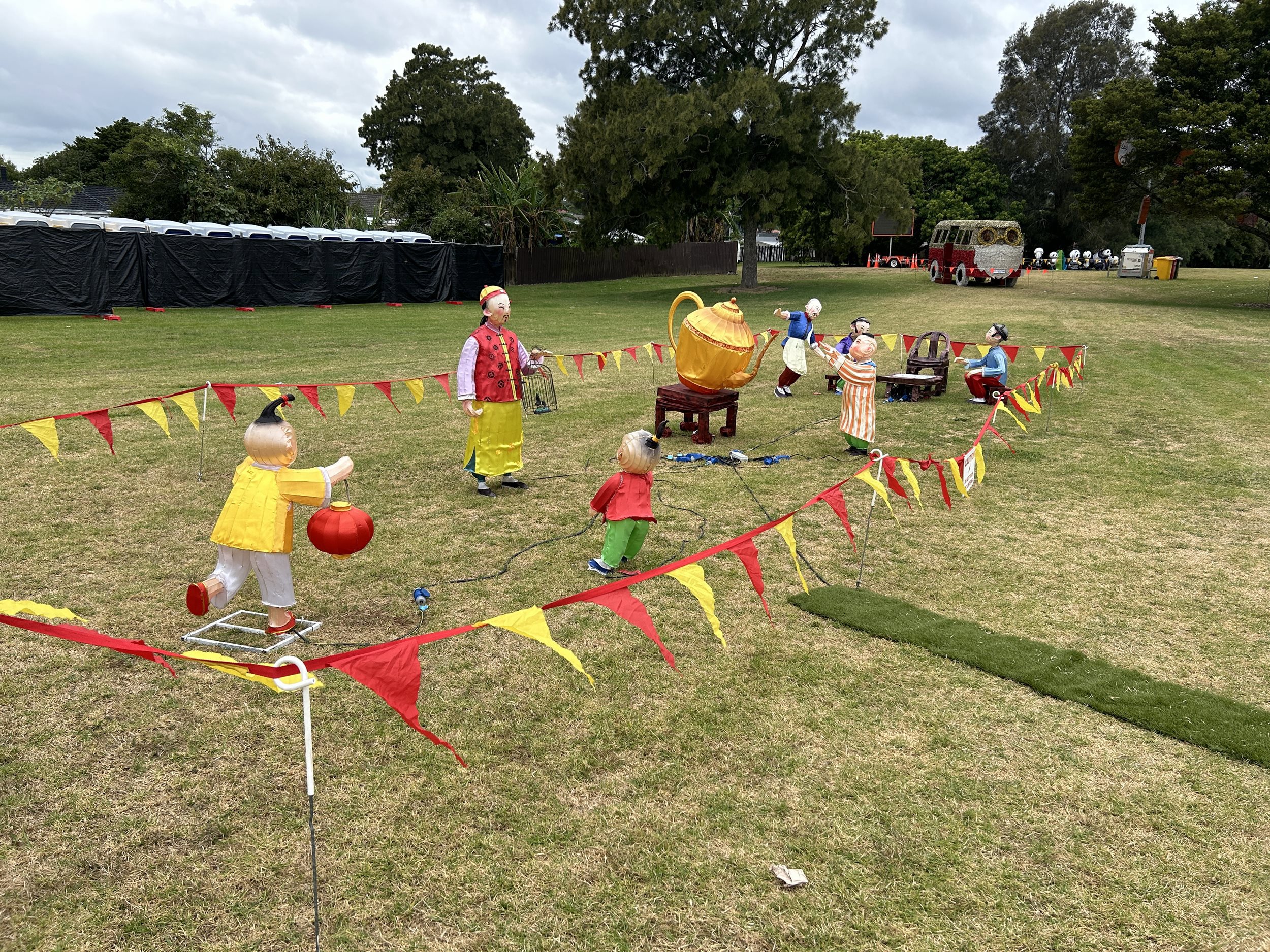
Hutong Scene
This lantern depicts a hutong, a traditional narrow lane found in Beijing. Hutongs are lined with courtyard homes known as siheyuan. Historically, hutongs functioned as shared living spaces where daily life unfolded, from social gatherings to household activities. Preserved hutongs today offer insight into historic community life and architecture.
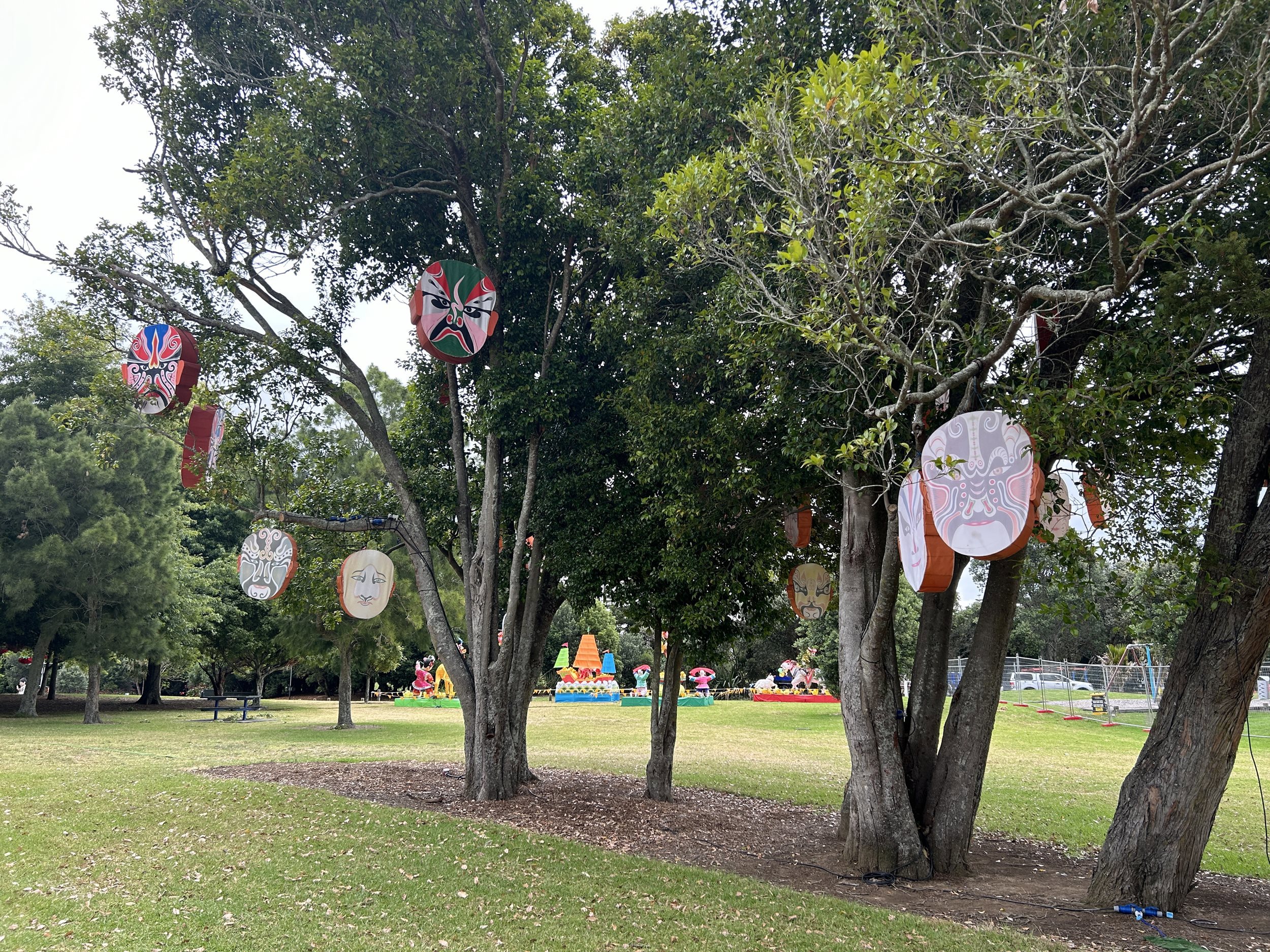
Peking Opera Mask
Peking Opera is a traditional Chinese performance art combining music, movement and elaborate costumes. It was historically performed in open-air stages, teahouses and temple courtyards.
The painted masks, known as lianpu, use colour and pattern to express character traits such as loyalty, courage or cunning. These visual elements help audiences understand characters at a glance.
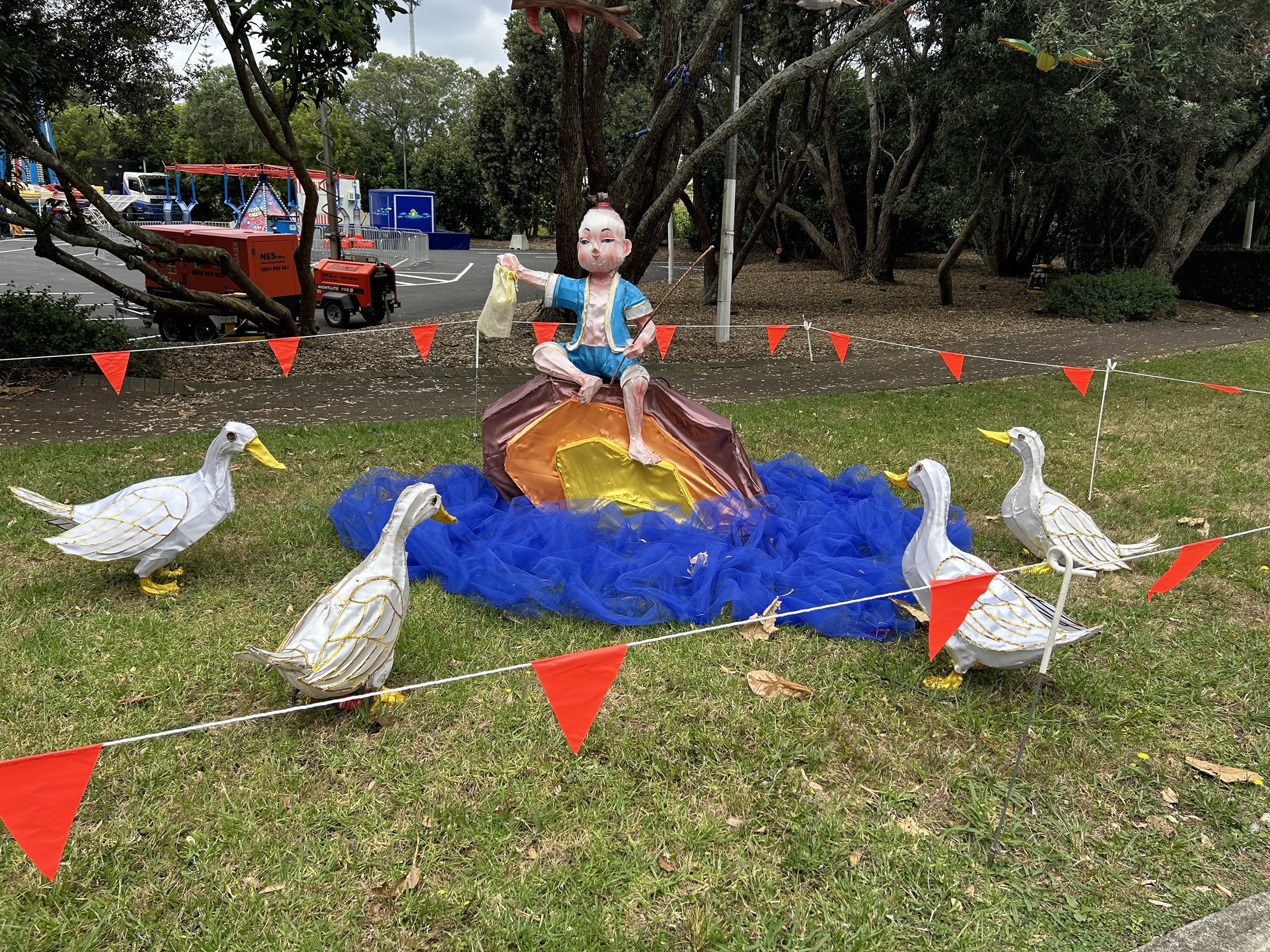
The Farm (Duck Herder / Duck pond with boy)
This lantern depicts a young boy herding ducks on a traditional farm. Ducks played an important role in rice farming, helping control pests and weeds naturally.By eating insects and weeds and enriching the soil, ducks supported sustainable farming practices. The scene reflects agricultural traditions and the close relationship between people, animals and the land.
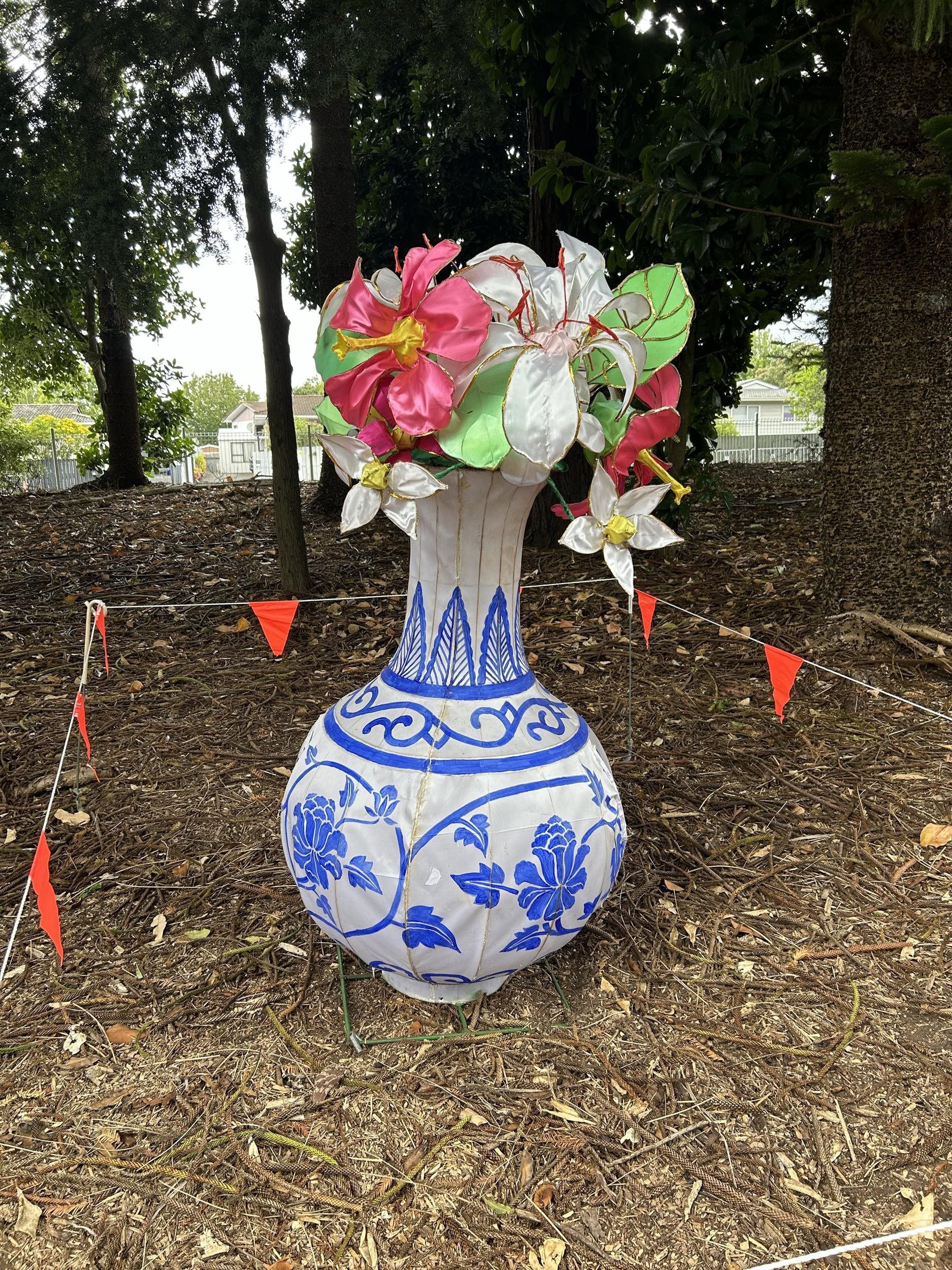
White Ginger Jar Lanterns
These lanterns are inspired by traditional Chinese ginger jars, originally used for storage and later admired as decorative objects. Over time, they became symbols of elegance and refinement.
Their rounded form and decorative patterns reflect balance and harmony. Ginger jars remain a popular motif in Chinese art and design.
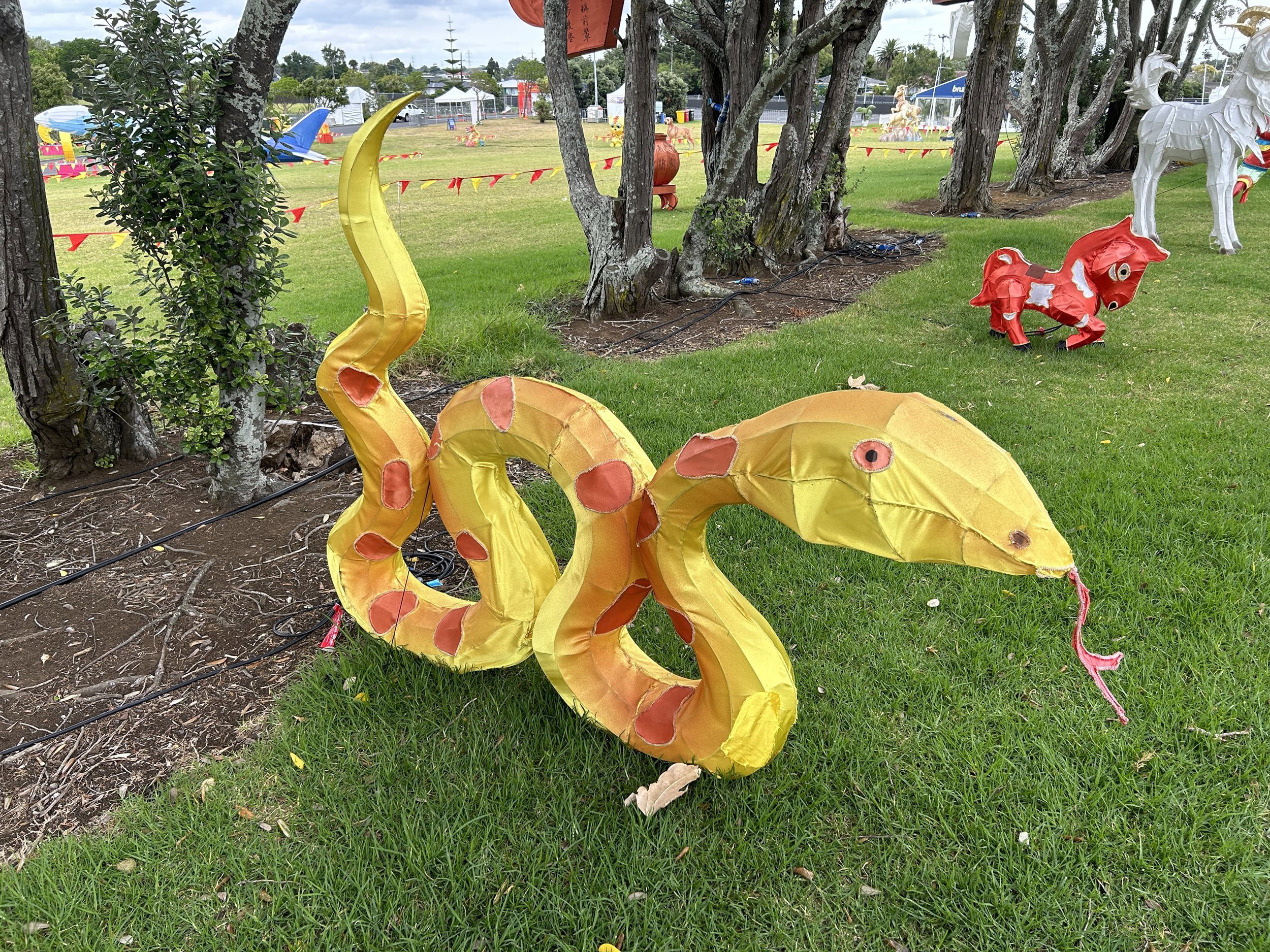
Snake
Birth years: 2025, 2013, 2001, 1989, 1977, 1965
The Snake is traditionally associated with wisdom, intelligence and careful thought. In Chinese culture, it symbolises insight, grace and transformation.
The Snake is admired for its calm presence and analytical nature, often linked with creativity and strategic thinking. It reflects patience, observation and the ability to adapt thoughtfully to change.
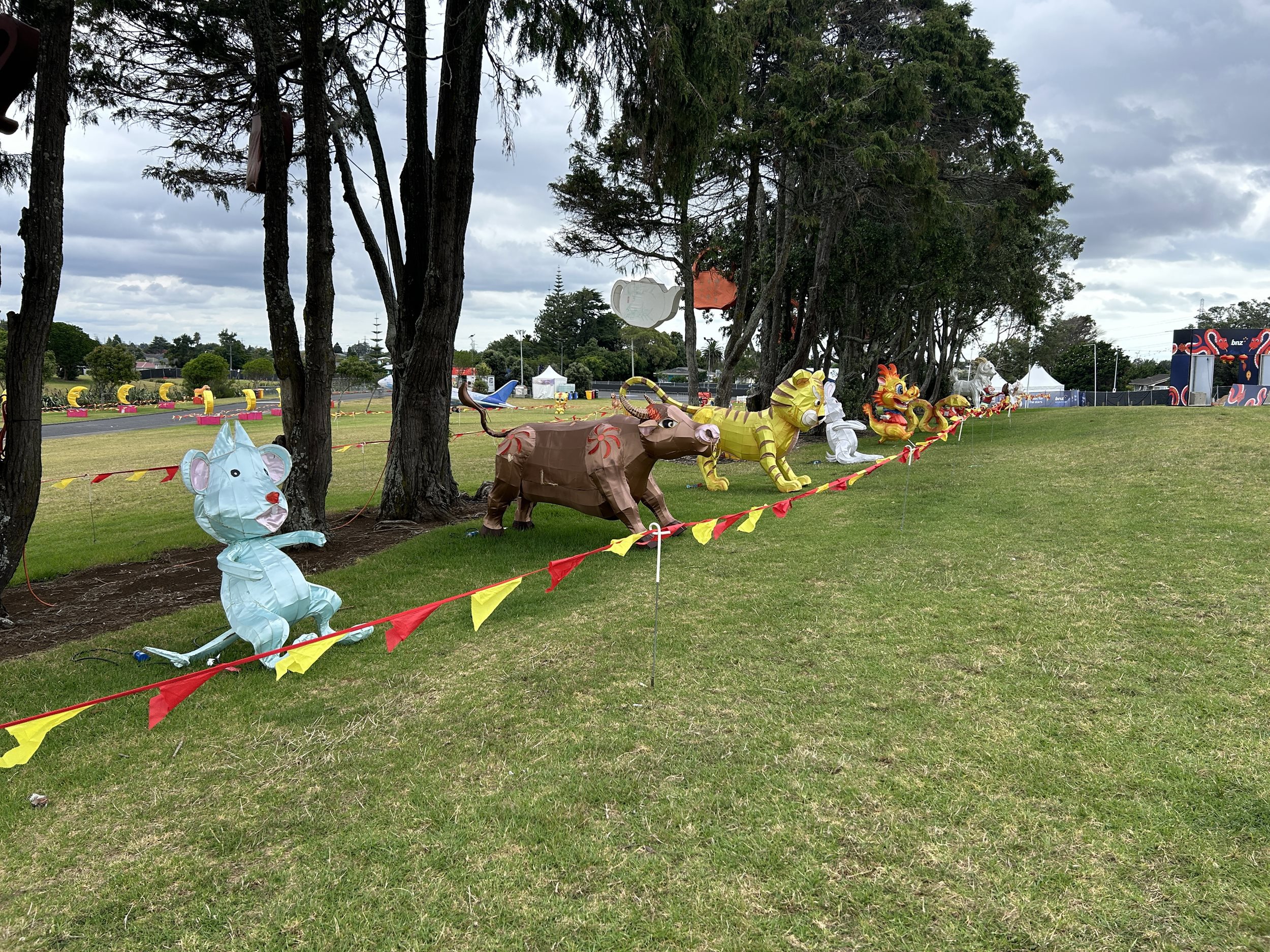
The Chinese Zodiac
The Chinese zodiac is a 12-year cycle in which each year is represented by an animal and its associated attributes. Traditionally, these animals were used to mark time, and it is believed that people born in a particular zodiac year may share characteristics linked to that animal.
The zodiac follows this order: Rat, Ox, Tiger, Rabbit, Dragon, Snake, Horse, Goat, Monkey, Rooster, Dog and Pig. 2026 is the Year of the Horse, a sign traditionally associated with energy, independence and movement. The zodiac continues to play an important role in cultural traditions, celebrations and storytelling.
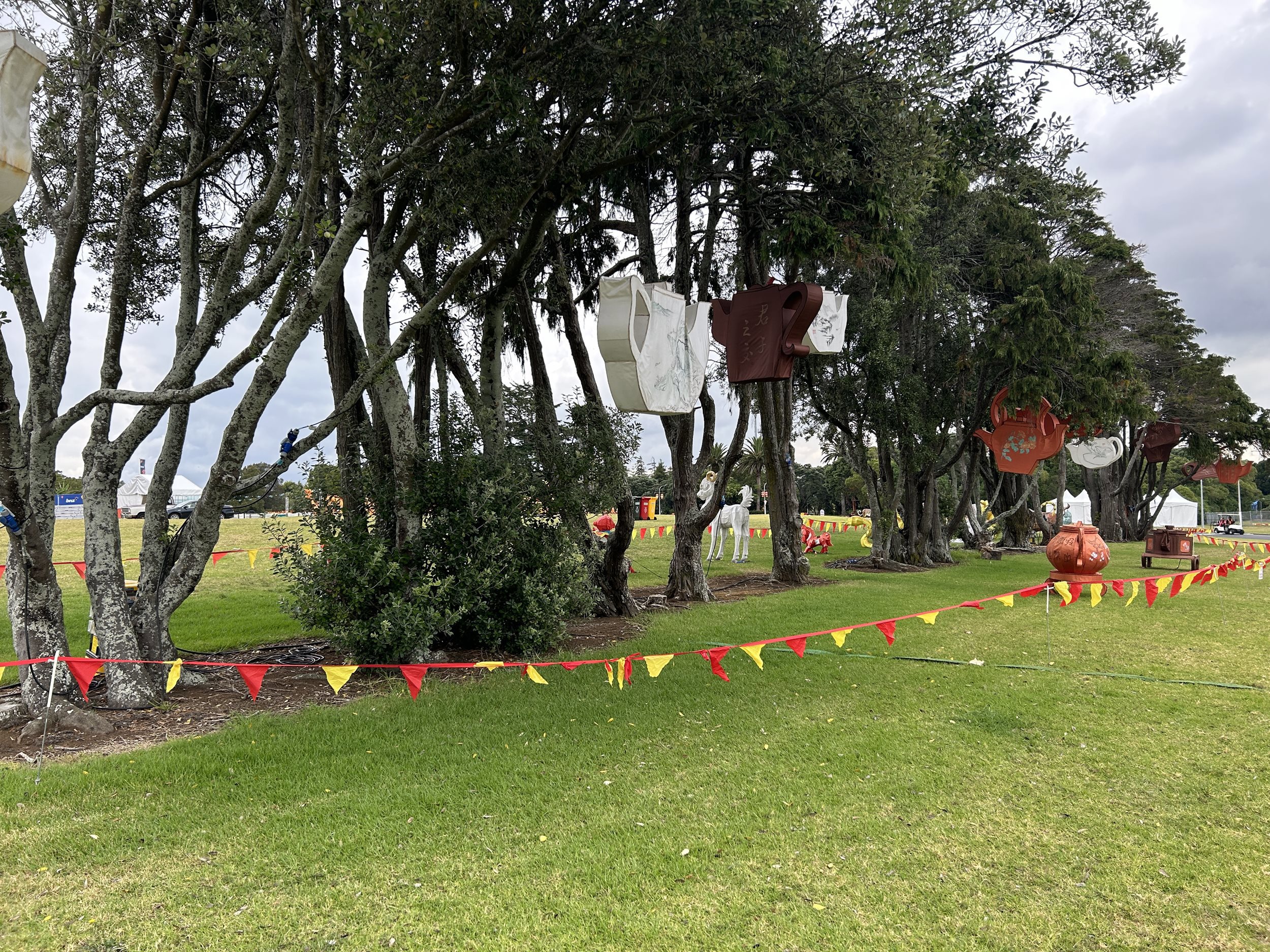
Teapots and Hanging teapots
These lanterns celebrate the importance of tea in Chinese culture where tea represents harmony respect and mindfulness. Teapots symbolise hospitality and connection often bringing people together through shared ritual. Tea drinking has been practiced in China for over 4,000 years and is deeply linked to philosophy and meditation. The hanging teapot display adds a whimsical element symbolising how tea culture flows naturally through everyday life and the natural world.
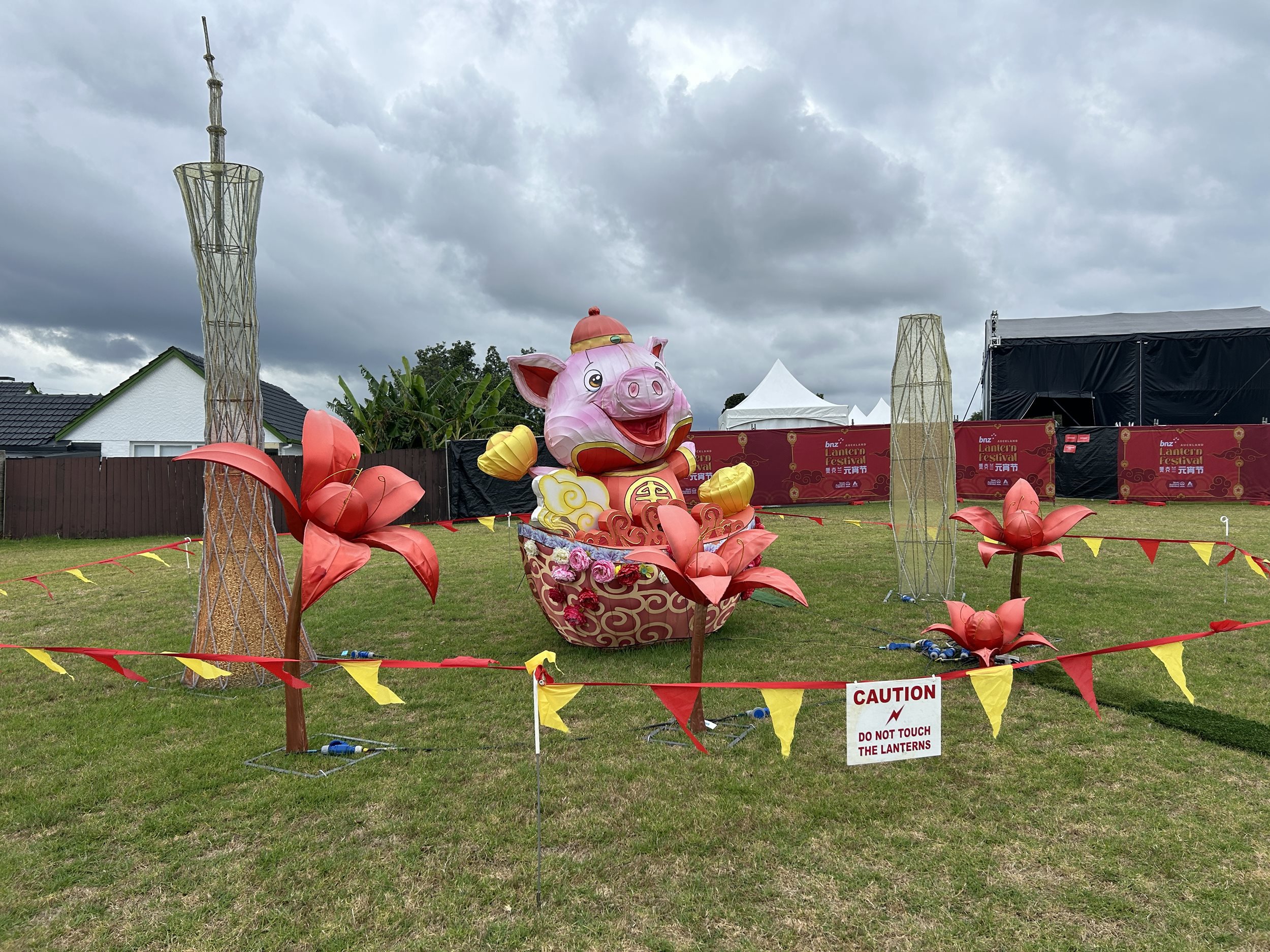
Pigs in a boat
This lantern scene shows pigs travelling together in a boat. In Chinese culture, pigs symbolise wealth, honesty, comfort and good fortune. The boat represents a smooth journey through life and safe passage.
Together, the imagery reflects shared prosperity, cooperation and abundance within families and communities. It highlights themes of travelling together, mutual support and collective wellbeing.
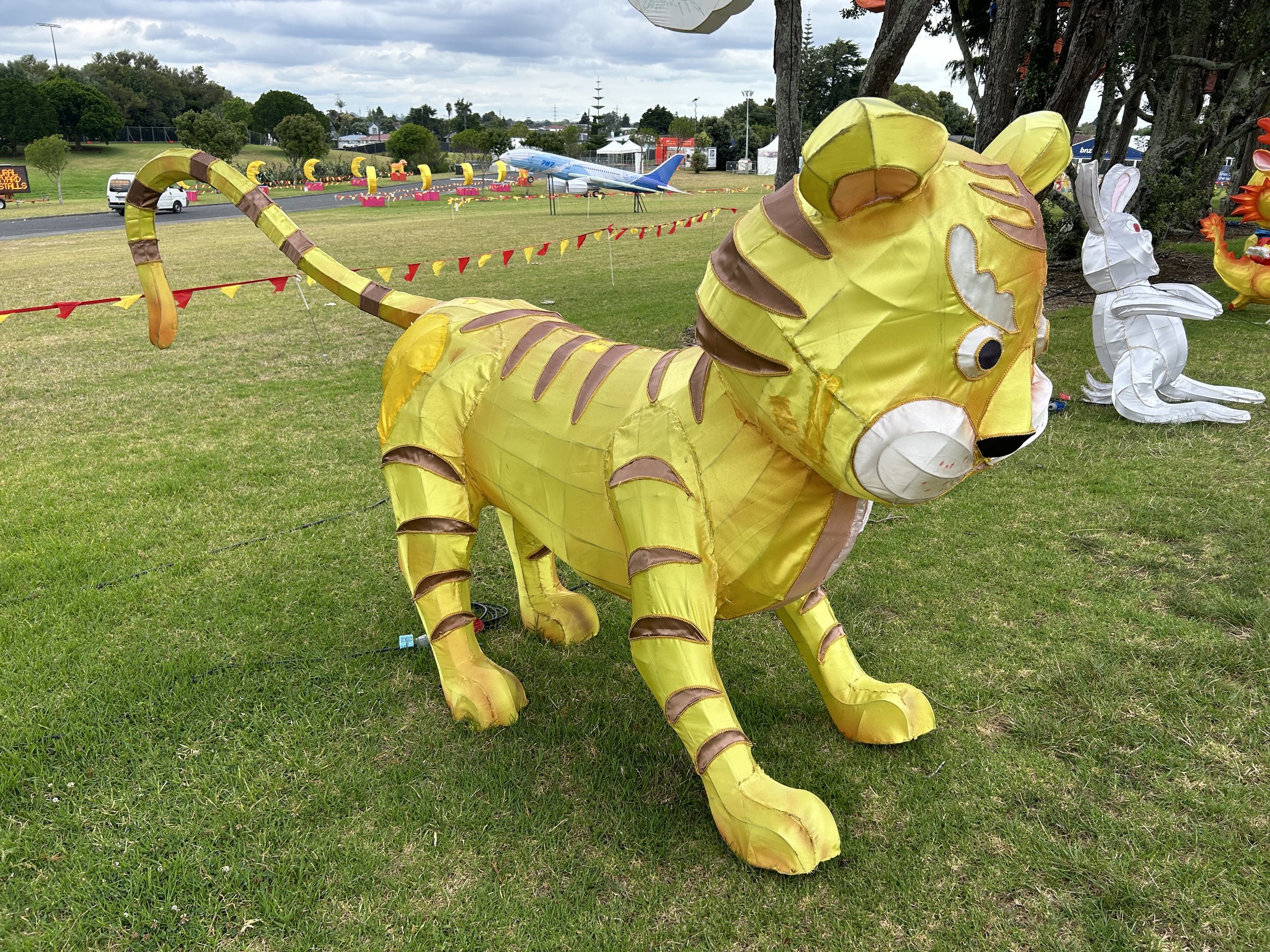
Tiger
Birth years: 2022, 2010, 1998, 1986, 1974, 1962
The Tiger is associated with courage, confidence and leadership. In Chinese culture, it is regarded as a powerful protector and a symbol of bravery and strength. Tigers have long appeared in art and folklore as guardians believed to ward off negative influences.
Those born in Tiger years are often described as energetic and charismatic. The Tiger is admired for its bold spirit and commanding presence, representing determination and resilience.
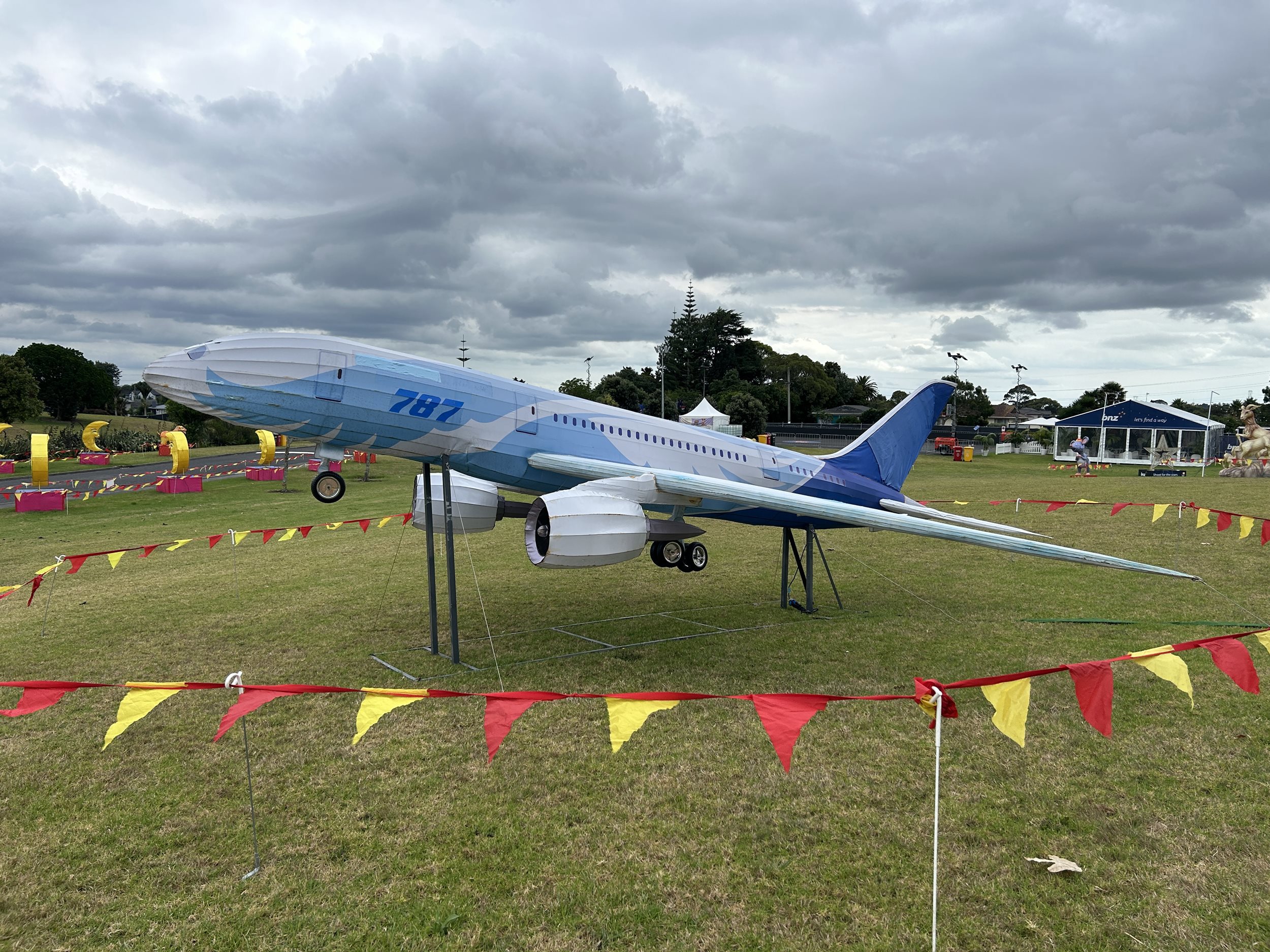
Plane
This lantern depicts an aeroplane, symbolising travel, connection and cultural exchange. Aviation has played an important role in bringing people together across borders, supporting the sharing of ideas, experiences and traditions.
The plane reflects how culture continues to evolve alongside tradition, highlighting the importance of connection in an increasingly interconnected world.
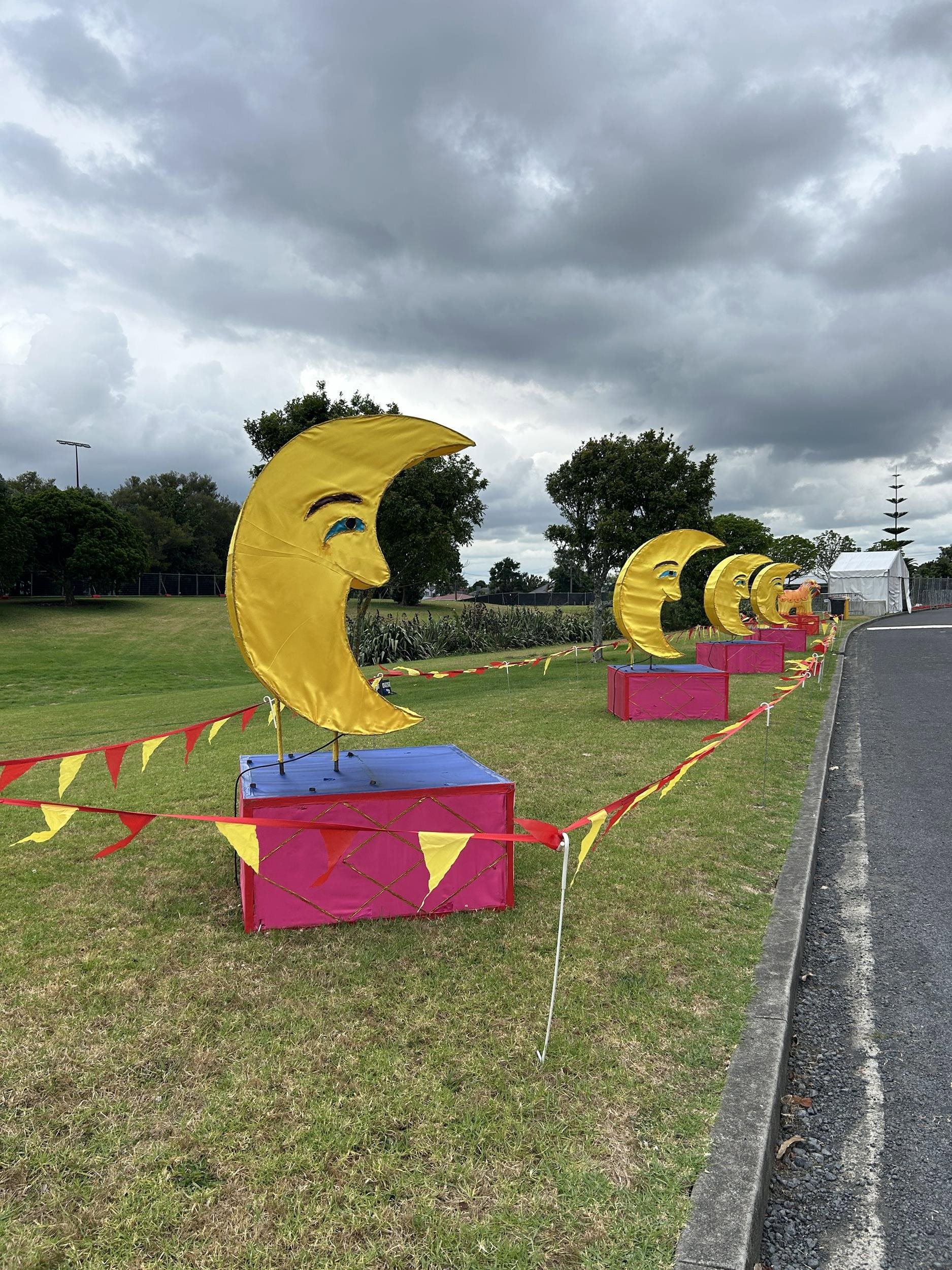
Moon and Bases
The moon holds deep symbolic meaning in Chinese culture, representing reunion, harmony and reflection. It is closely associated with the Mid-Autumn Festival and the legend of Chang’e, the Moon Goddess.
Moon imagery often appears in poetry and art as a symbol of longing and family unity. This lantern reflects balance, togetherness and the enduring importance of connection across distance.
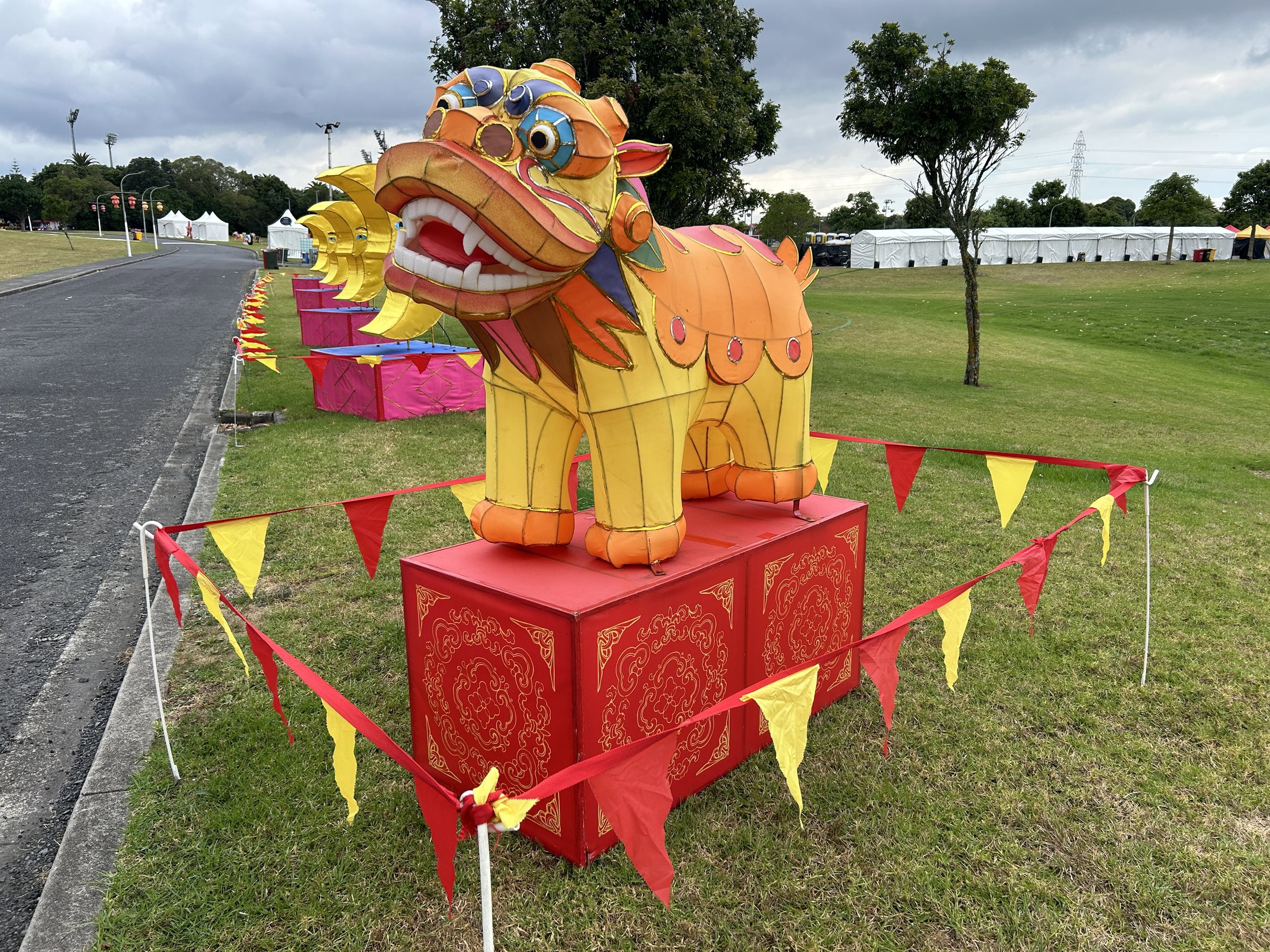
Ning Bo Lions
These lanterns depict Foo Lions gifted from Ningbo, a sister city of Auckland. Foo Lions are traditional guardian figures placed at the entrances of important buildings. They are always shown in male and female pairs, representing balance.
Traditionally believed to protect people and places, Foo Lions symbolise strength, care and guardianship. Their presence reflects protection, friendship and cultural connection between cities.
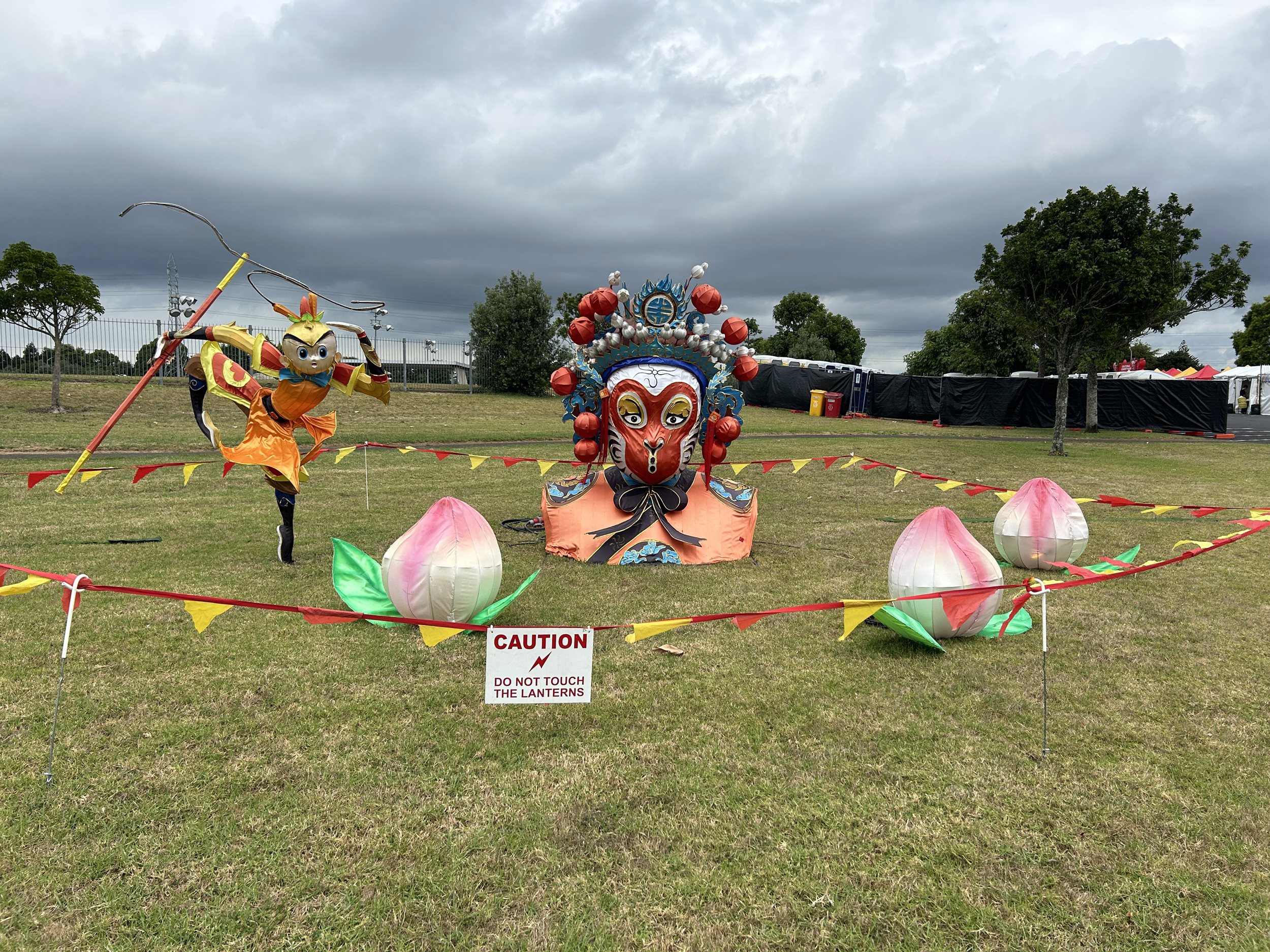
Monkey King
The Monkey King is a mythological figure featured in many classical Chinese literary works. He is the main character in the novel Journey to the West and is depicted as a monkey born from stone with supernatural powers.
After rebelling against the gods, he was imprisoned under a mountain by the Buddha before later accompanying the monk Xuanzang on a journey to retrieve Buddhist sutras from India. The Monkey King symbolises intelligence, strength and transformation.
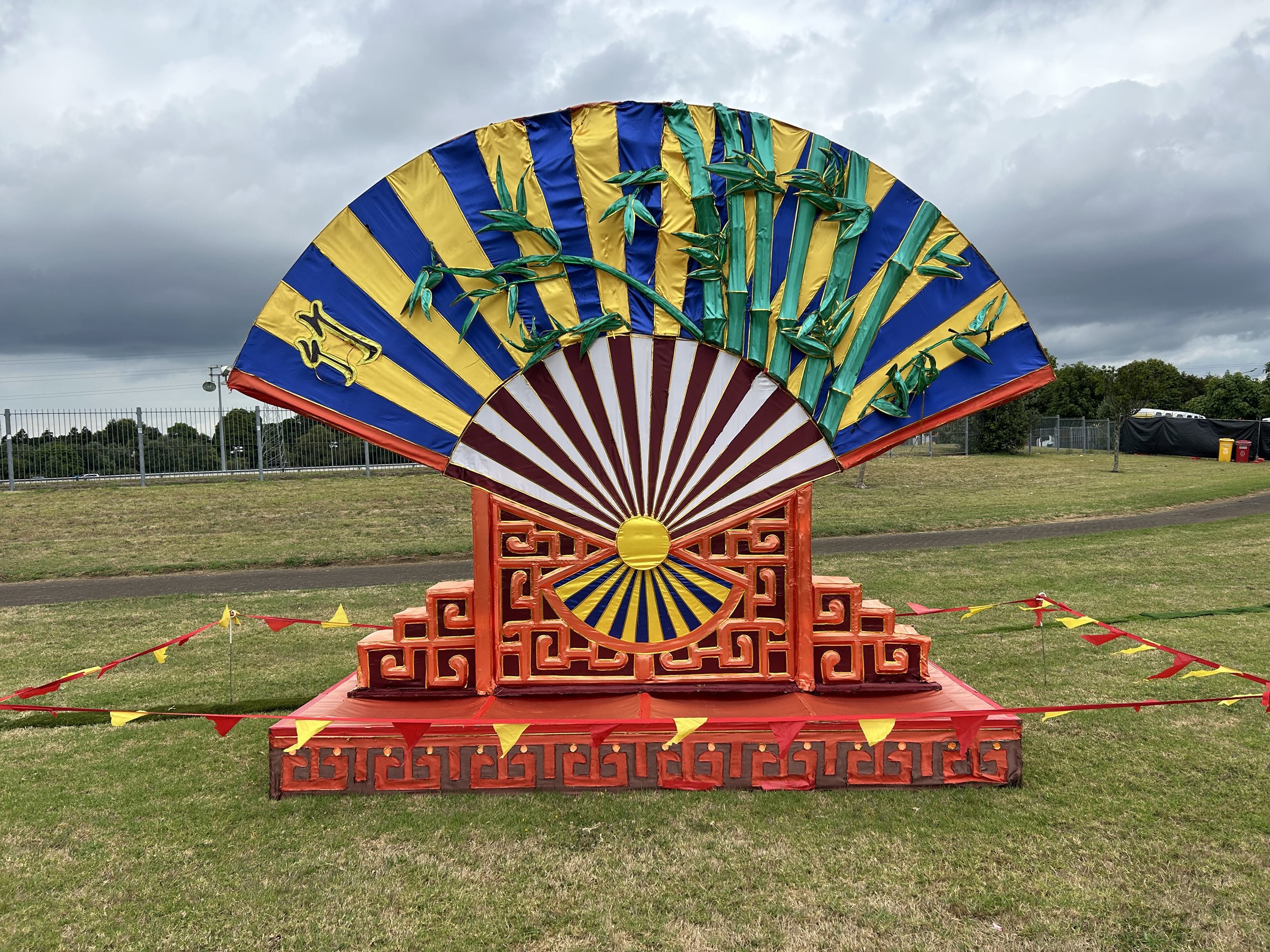
Chinese Fan
This lantern depicts a traditional Chinese fan, once a symbol of social status and refinement. Folding fans became popular during the Song Dynasty and were often decorated with poetry or paintings.
Fans were used to express education, taste and personal identity. Today, they remain a symbol of elegance, wisdom and artistic expression in Chinese culture.
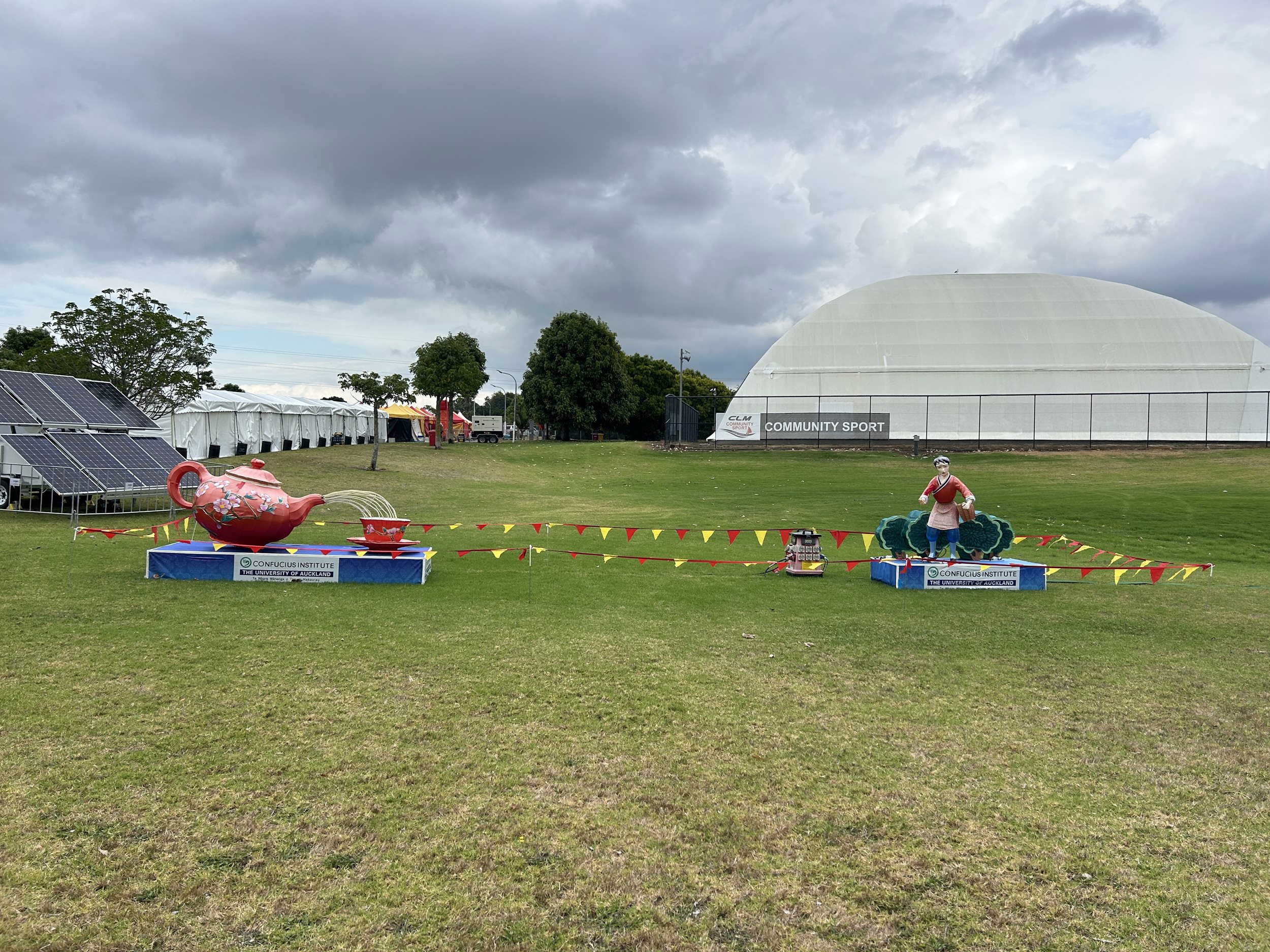
Confucius Tea Picker and Teapot
This lantern scene reflects Confucian values through the act of tea picking and preparation. Tea symbolises respect, balance and mindfulness, central ideas to Confucian philosophy.
Confucian teachings emphasise that moral character is shaped through daily rituals and actions. The scene highlights how simple practices can express deeper ethical values and social harmony.
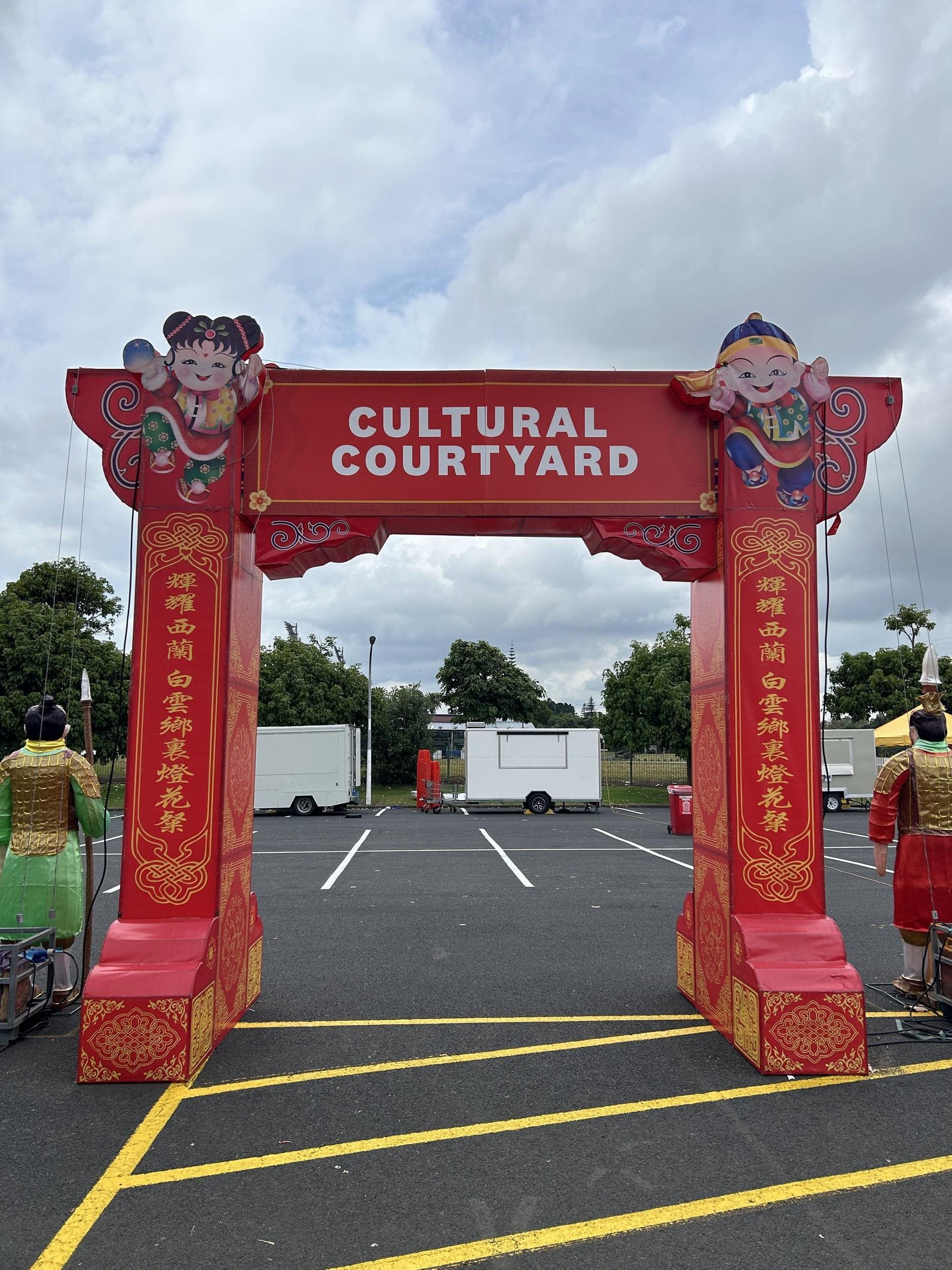
Ning Bo Arch
This lantern is inspired by traditional stone archways found in Ningbo, Zhejiang Province, China. In Chinese culture, archways are important architectural and cultural symbols, often commemorating achievement, honouring virtue and marking significant places.
This lantern archway reflects welcome and hospitality, symbolising respect for tradition and the ceremonial greeting of visitors. It represents cultural heritage and enduring connections between past and present.
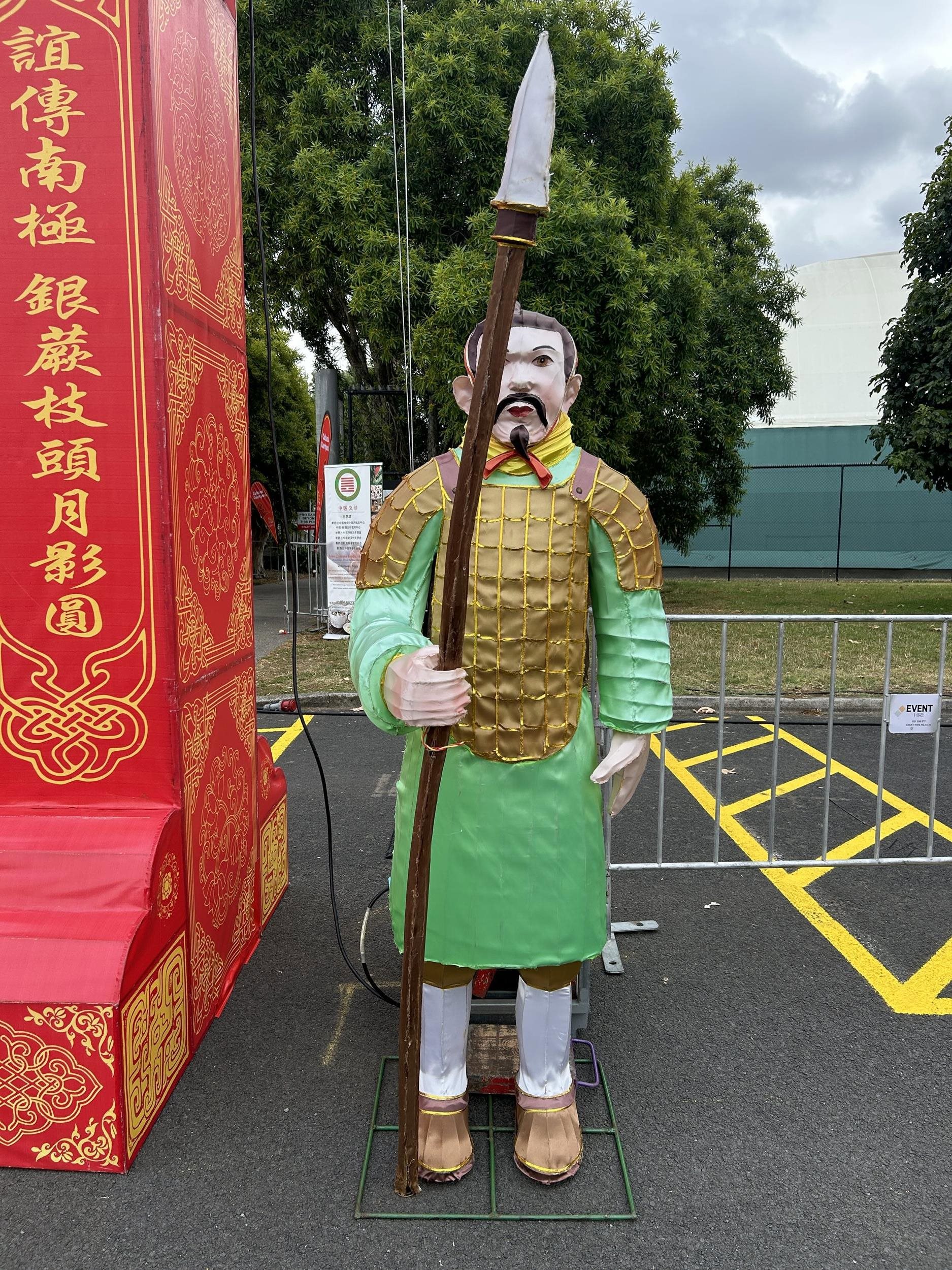
Terracotta Warriors
This set of lanterns is inspired by the Terracotta Army of the Mausoleum of the First Qin Emperor. The original terracotta figures were created to guard the emperor in the afterlife and symbolise strength, discipline and loyalty.
Reimagined as lanterns, these warriors reflect unity and collective purpose. They honour one of the world’s most significant archaeological discoveries and the enduring legacy of ancient Chinese civilisation.
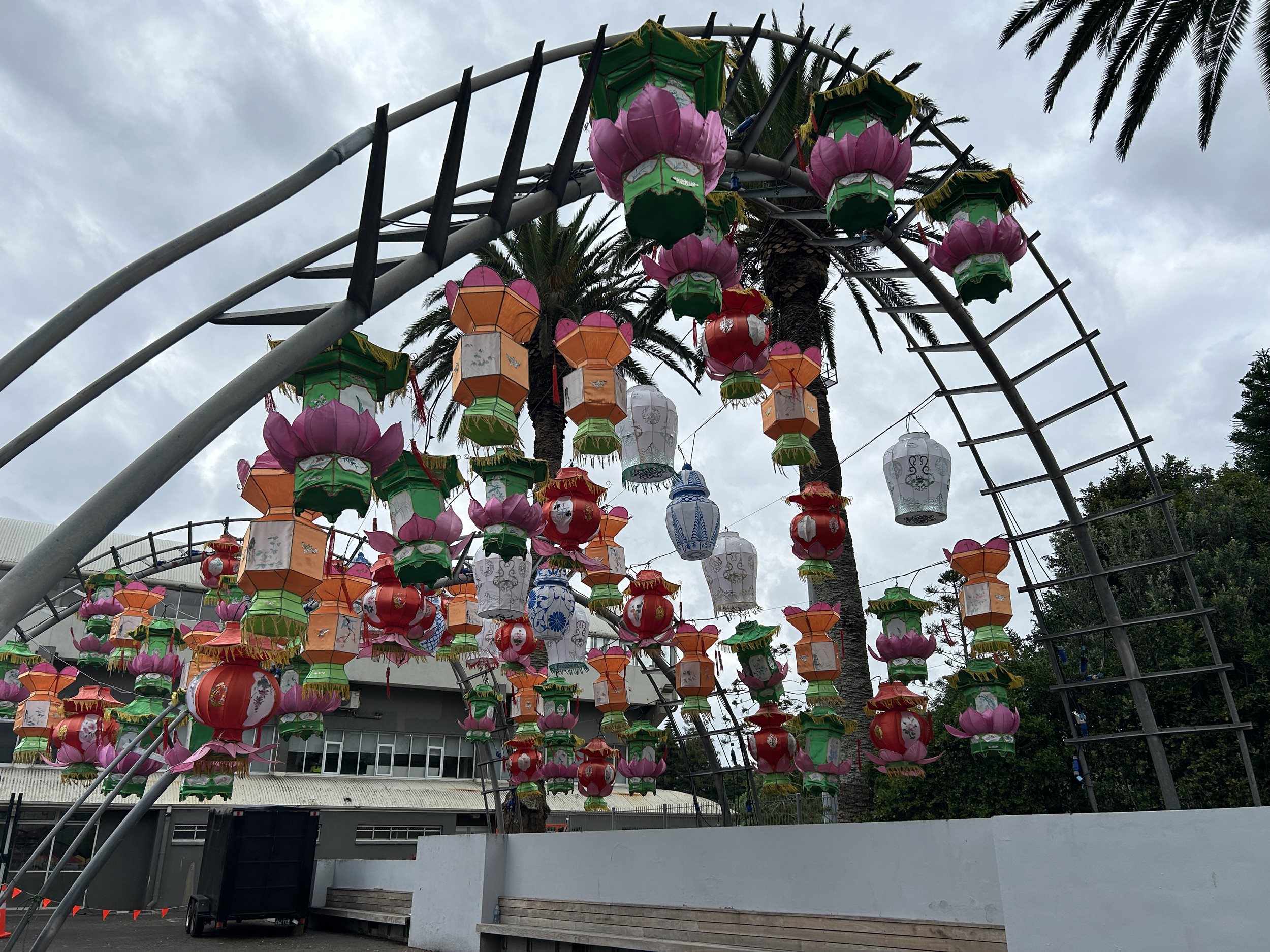
Lotus Palace Lanters
The lotus is a powerful symbol of purity, enlightenment and renewal. Growing from muddy water yet blooming beautifully, it represents rising above hardship and adversity.
Closely linked to Buddhism, the lotus symbolises spiritual awakening and inner peace. These lanterns create a calm and reflective atmosphere within the cultural courtyard.
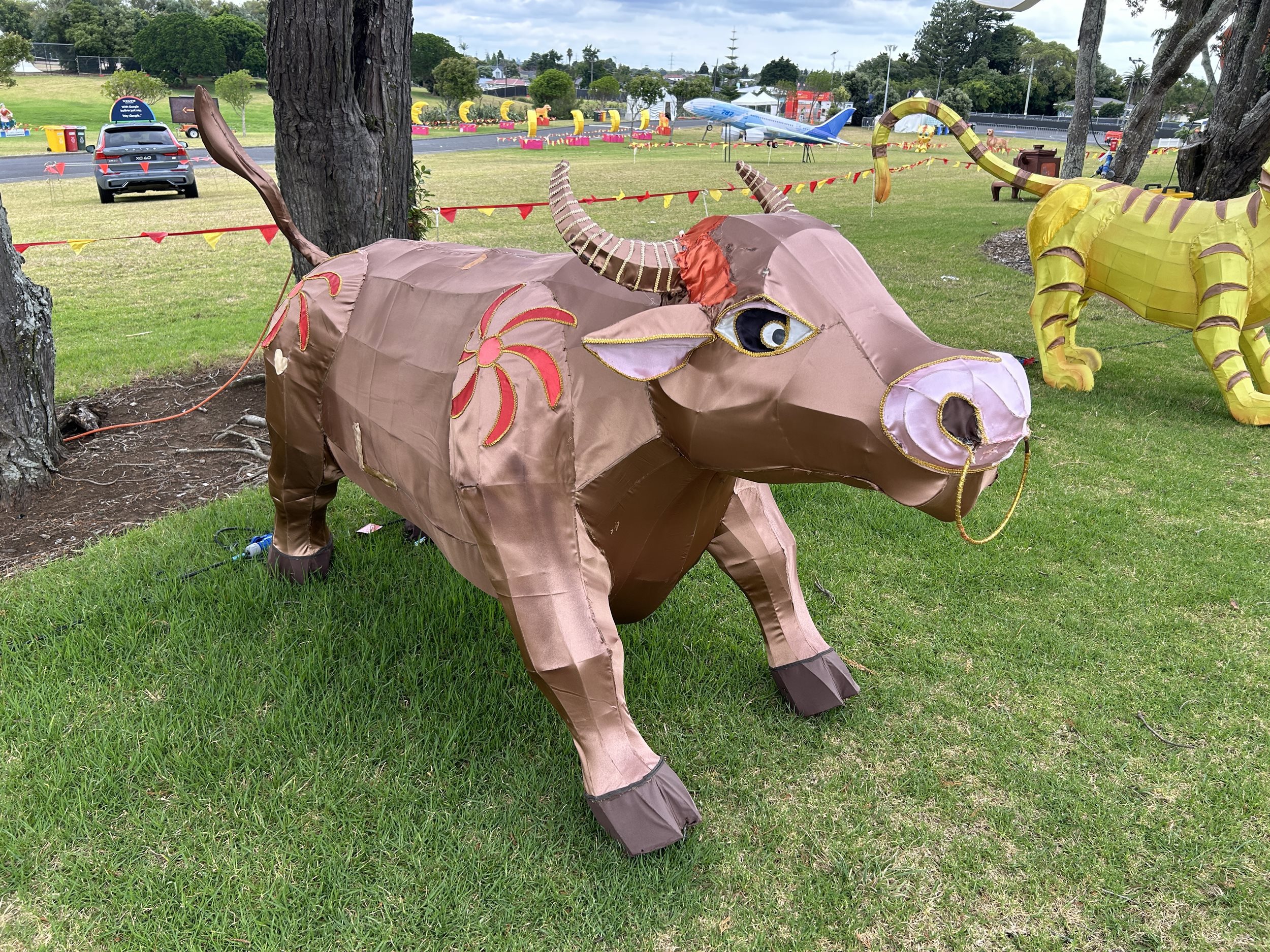
Ox
Birth years: 2021, 2009, 1997, 1985, 1973, 1961, 1949
The Ox (or Oxen) symbolises strength, reliability and perseverance in Chinese culture. Closely connected to agriculture, the Ox represents steady effort and the importance of hard work. People associated with this sign are traditionally described as patient, dependable and determined.
The Ox is admired for its quiet strength and consistency, valuing routine and responsibility. It reflects dedication, persistence and the ability to build long-term stability through sustained effort.
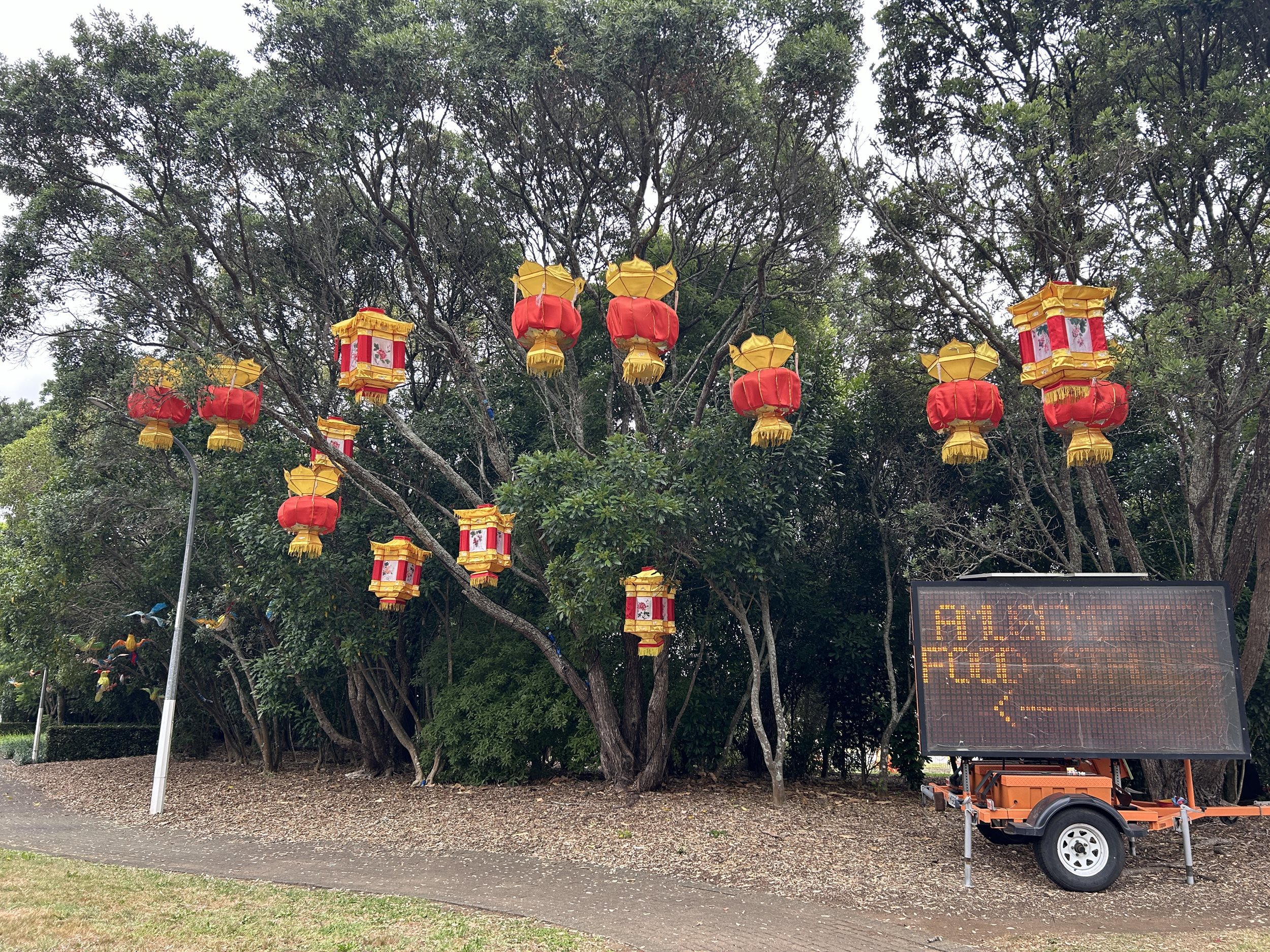
Qing Dynasty Lanterns
These lanterns are inspired by designs from the Qing Dynasty, the final imperial dynasty of China. Lanterns from this era often featured rich colours, detailed patterns and symbolic motifs.
They were commonly used in festivals and ceremonial events. This style reflects elegance, order and traditional craftsmanship.
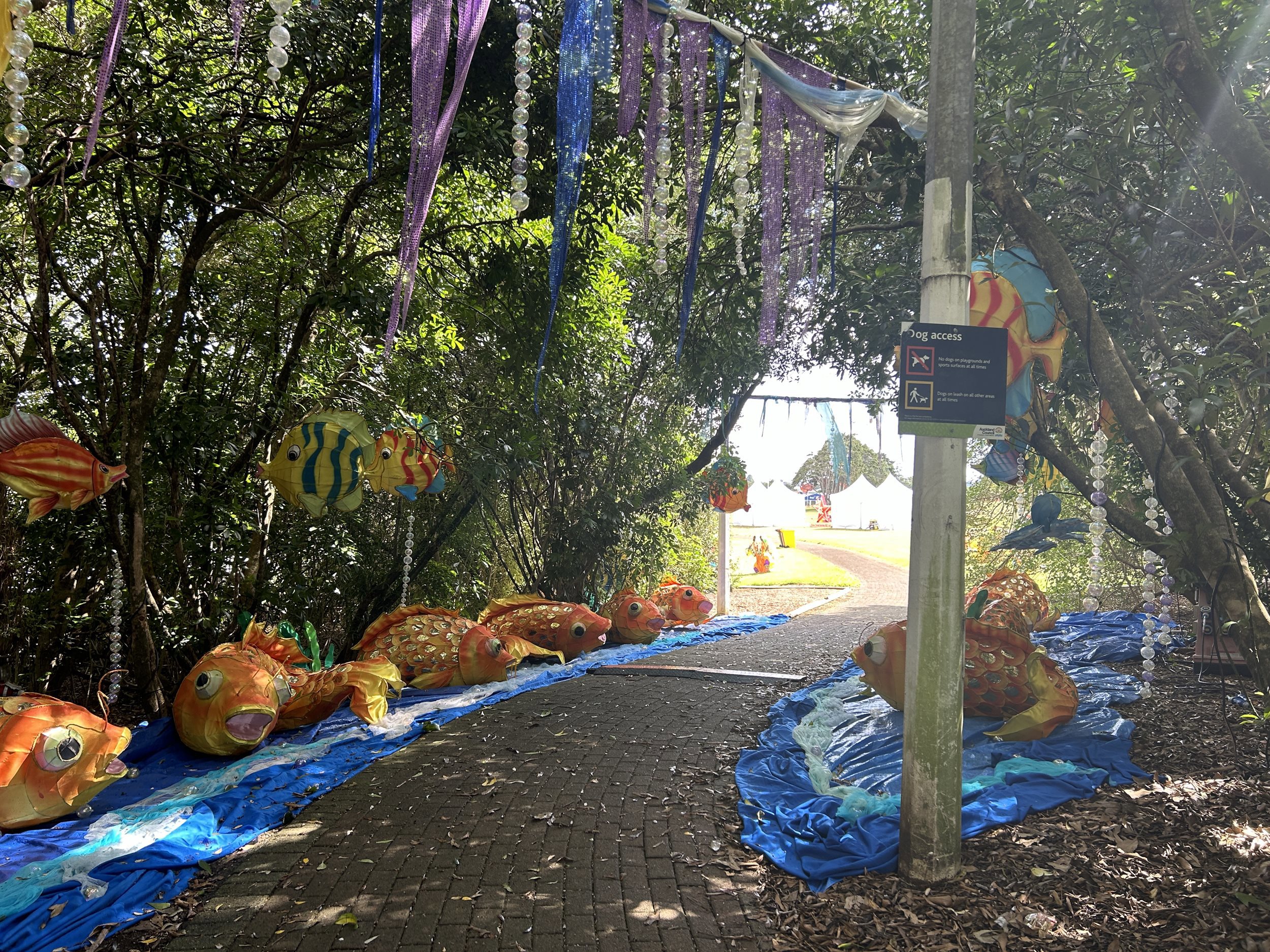
Under the sea Koi
Koi fish symbolise perseverance, strength and good fortune. According to legend, koi that swim upstream and overcome obstacles are said to transform into dragons.
Often kept in ponds, koi are admired for their calm presence and determination. This lantern reflects patience, resilience and transformation.
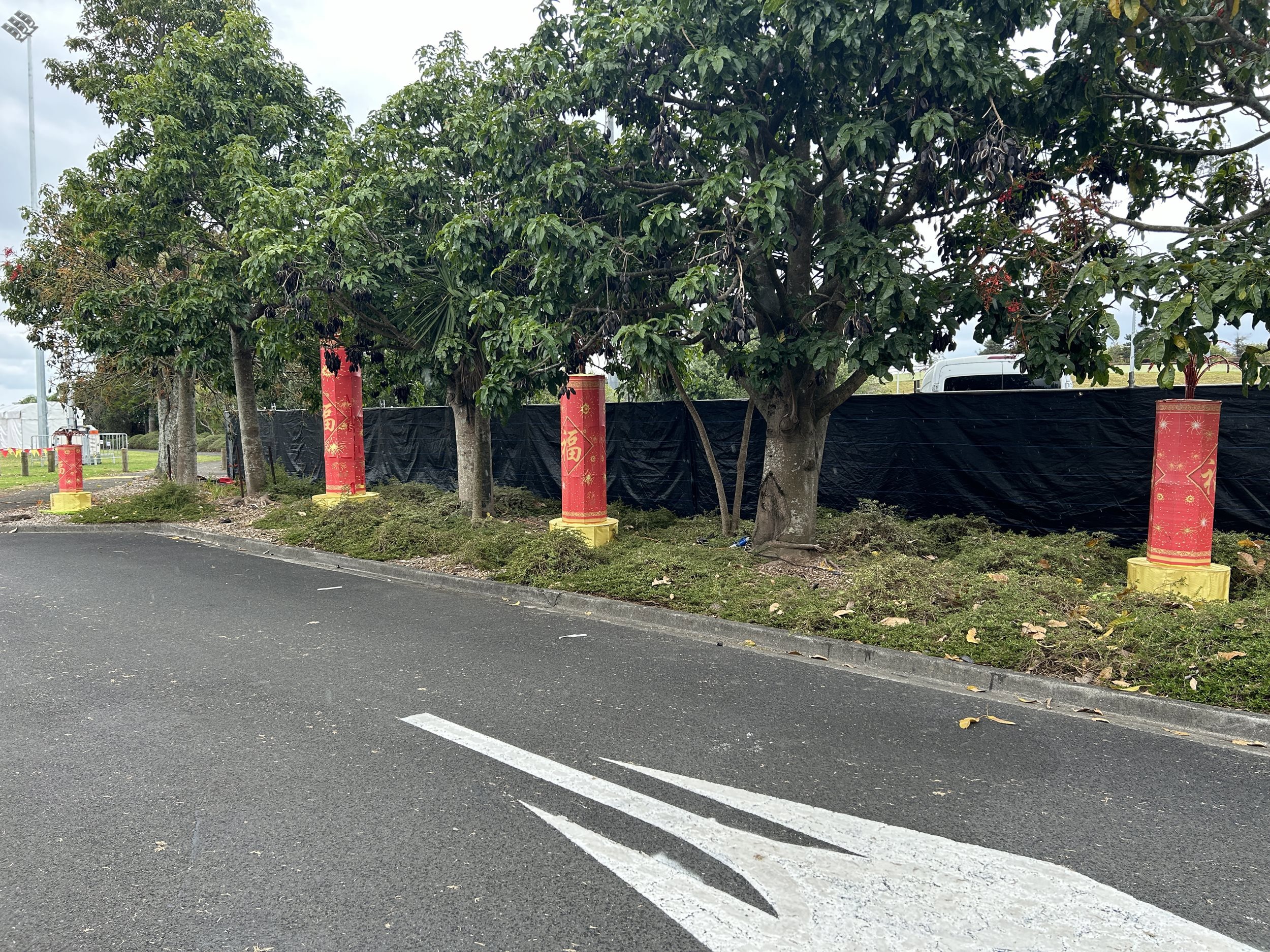
Fireworks
Fireworks were invented in China more than a thousand years ago. Originally believed to scare away evil spirits, they later became central to celebrations and festivals.
Fireworks symbolise joy, renewal and good fortune. They remain a powerful expression of celebration and hope.
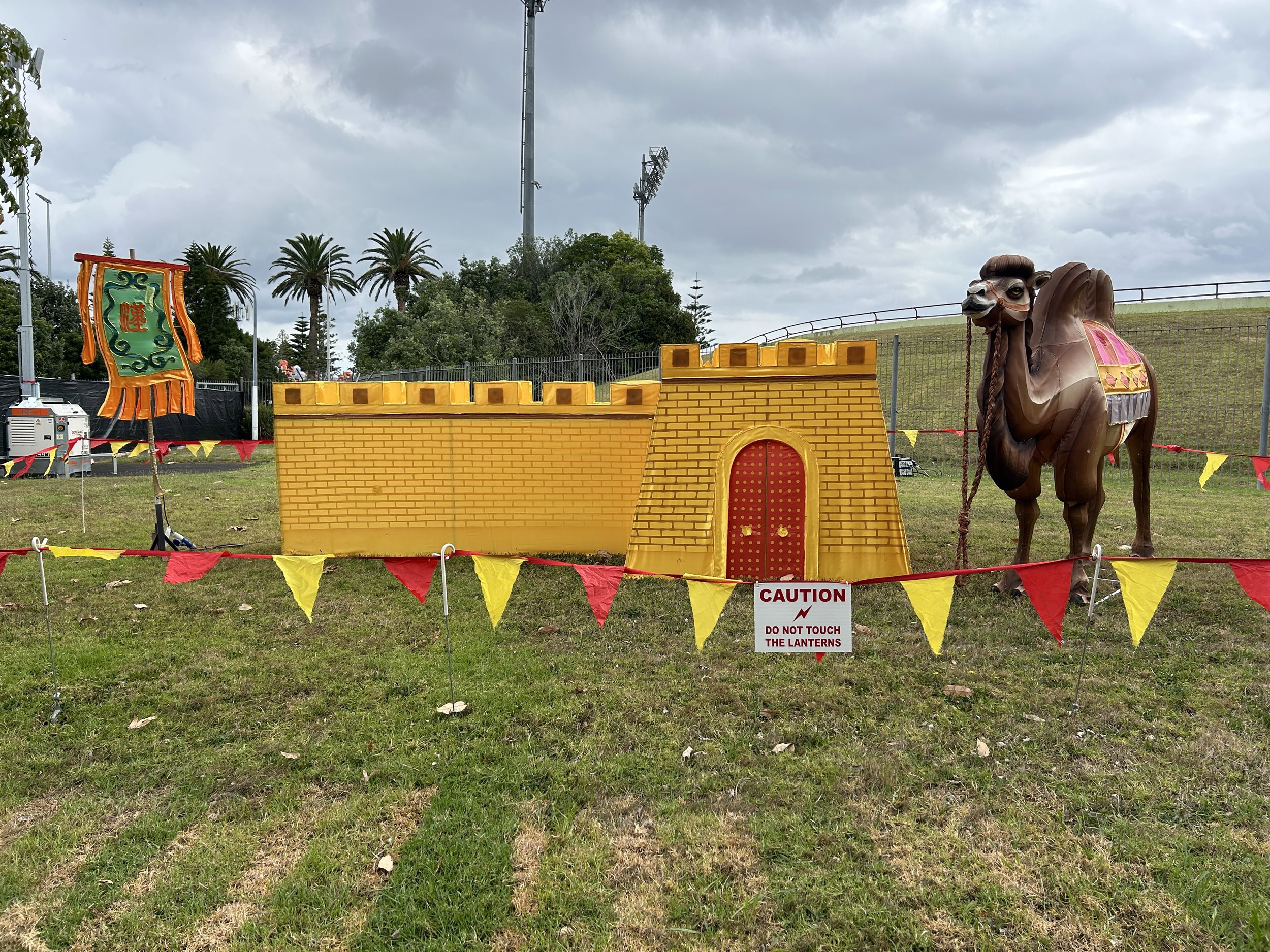
Great wall scene
The Great Wall is one of China’s most iconic landmarks, stretching thousands of kilometres. Built for protection, it symbolises strength, perseverance and unity.
The wall reflects collective effort across generations. This lantern honours resilience and determination.
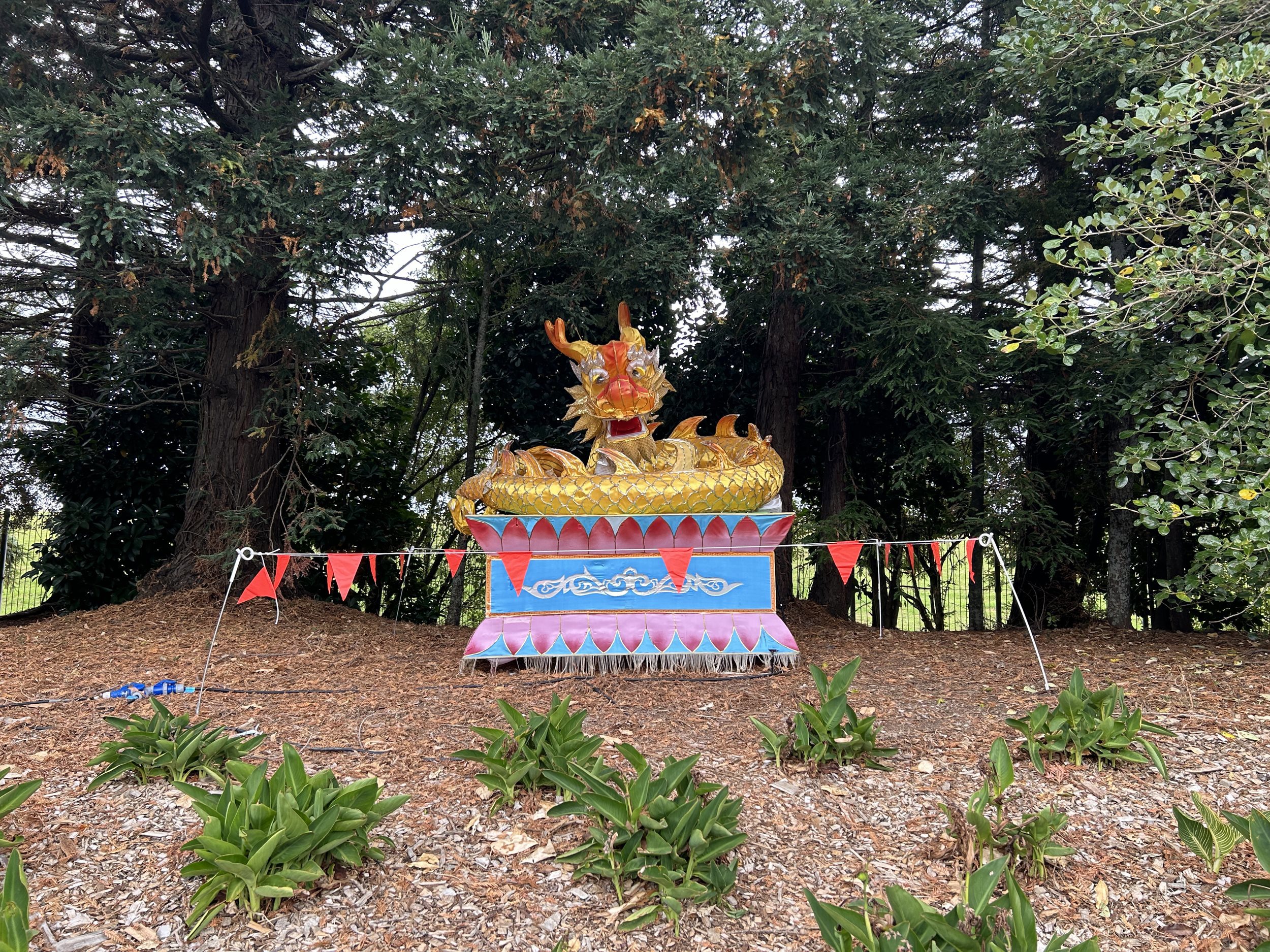
Gold Dragon
The Gold Dragon symbolises imperial power wisdom and prosperity. Dragons are believed to control water and bring rain for crops. The colour gold represents wealth and success. This lantern embodies protection abundance and good fortune.
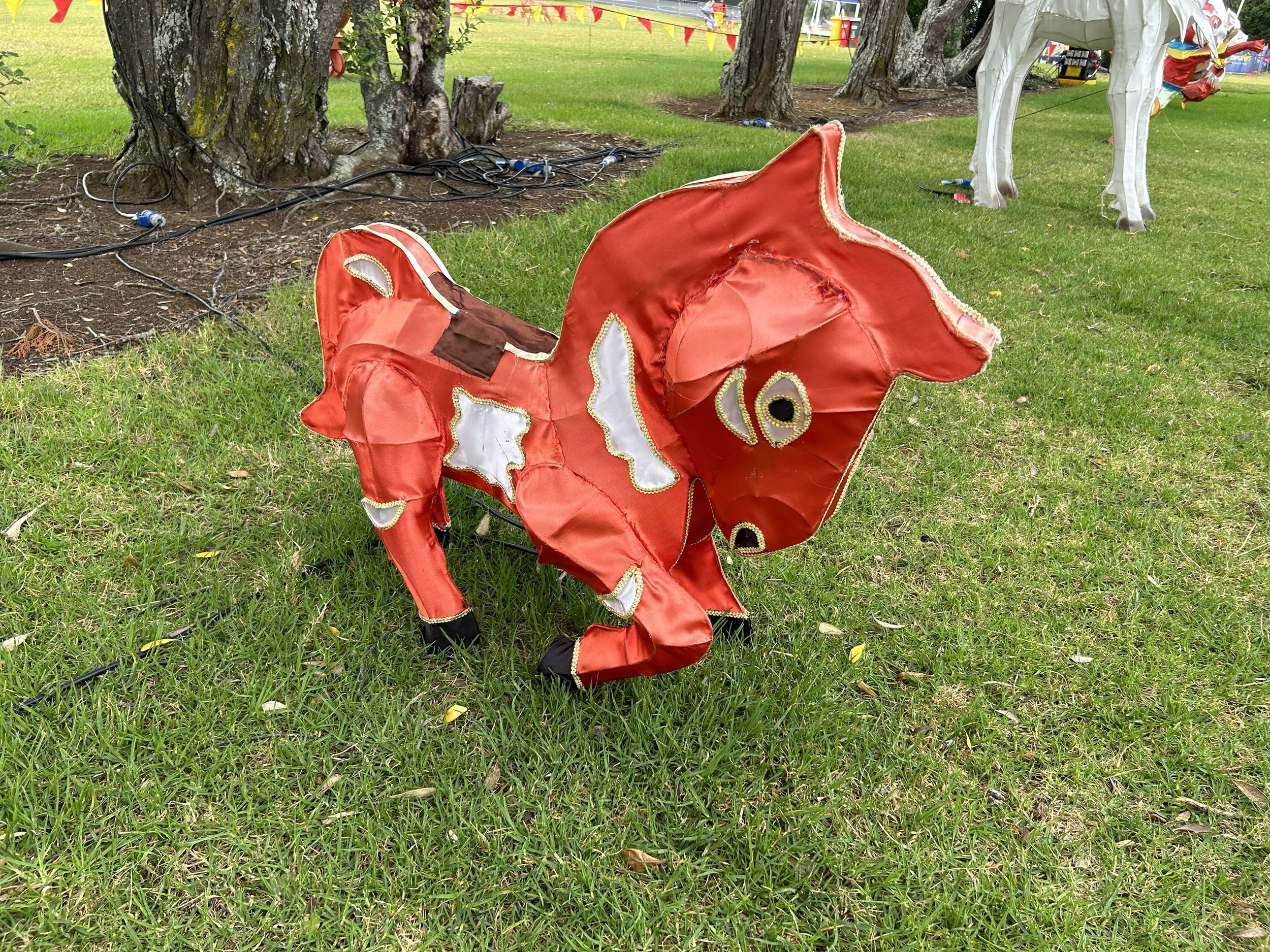
Horse
Birth years: 2026, 2014, 2002, 1990, 1978, 1966
The Horse is the seventh sign of the Chinese zodiac and is associated with energy, independence and movement. In Chinese culture, the Horse symbolises perseverance, progress and favourable fortune.
It is admired for its strength, vitality and free-spirited nature, and is often linked with confidence, enthusiasm and forward momentum. The Horse reflects the drive to move ahead and embrace opportunity.
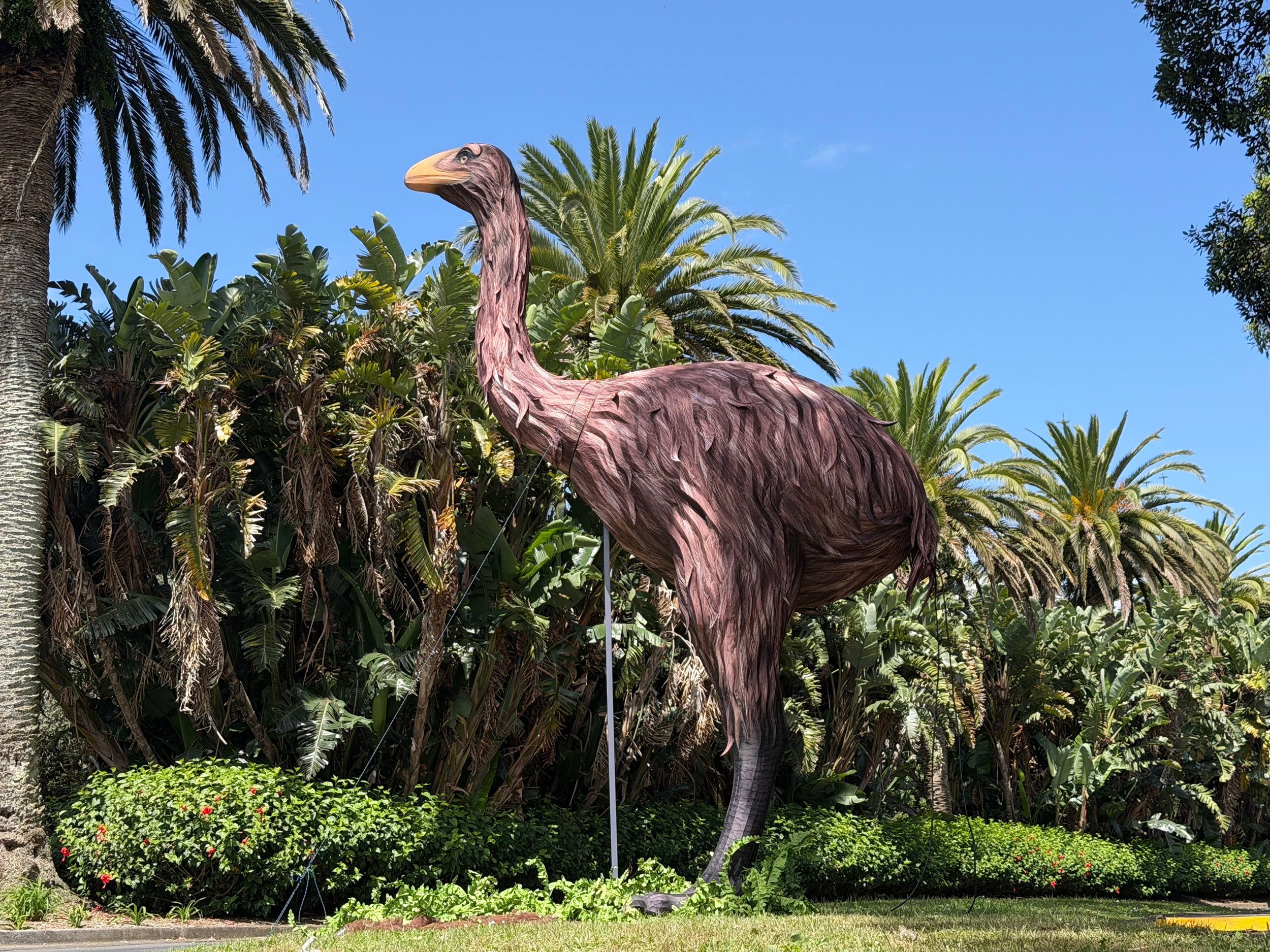
Giant Moa
The giant moa was a large, flightless bird native to Aotearoa New Zealand, which became extinct around 600 years ago following early human settlement. Some species stood up to 3.6 metres tall, making moa the tallest birds known to have lived.
Moa were herbivores that lived across forests, grasslands and coastal areas. This lantern acknowledges Aotearoa’s natural heritage and reflects the importance of guardianship.
Fun Facts:
Moa were the main food source for the Haast’s eagle, the largest eagle ever known. Some moa eggs were bigger than a rugby ball and could weigh up to 4 kilograms. Today, scientists learn about moa by studying their bones, feathers, and even footprints found in caves and swamps, helping us imagine what these amazing birds were like when they walked the land of Aotearoa New Zealand.
Sponsored by Steven Wong and the Federation of the New Zealand Chinese Association (FNZCA).
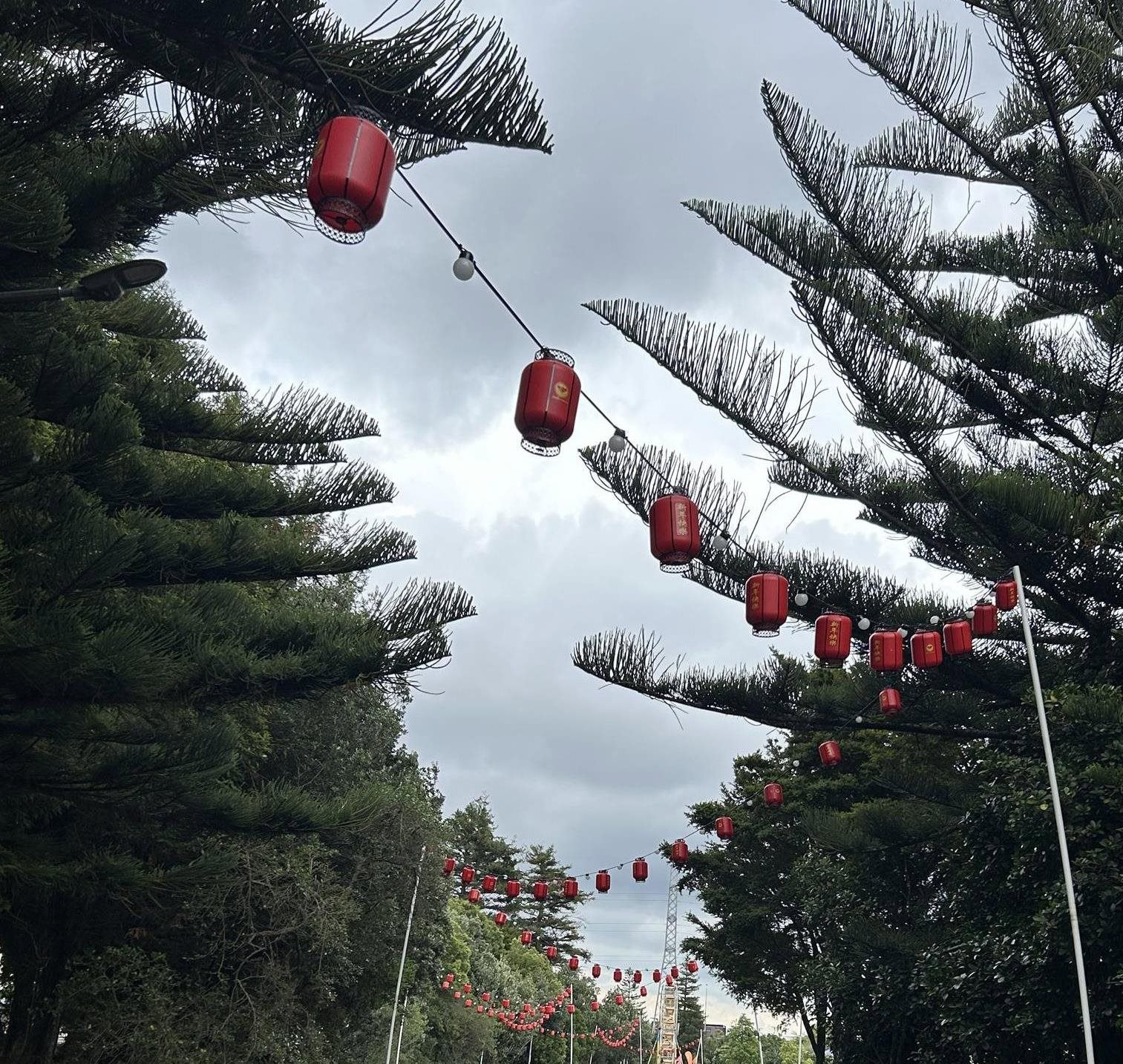
Lantern Lane
Red lanterns are one of the most recognisable symbols in Chinese culture. The colour red represents happiness, good fortune and vitality. Lanterns are traditionally displayed during festivals to celebrate unity and prosperity.
The round shape of lanterns symbolises reunion and completeness, while their glowing light represents hope and guidance. Lantern Lane reflects celebration, togetherness and cultural tradition.
Lantern Lane is sponsored by Steven Wong and the Federation of the New Zealand Chinese Association (FNZCA).
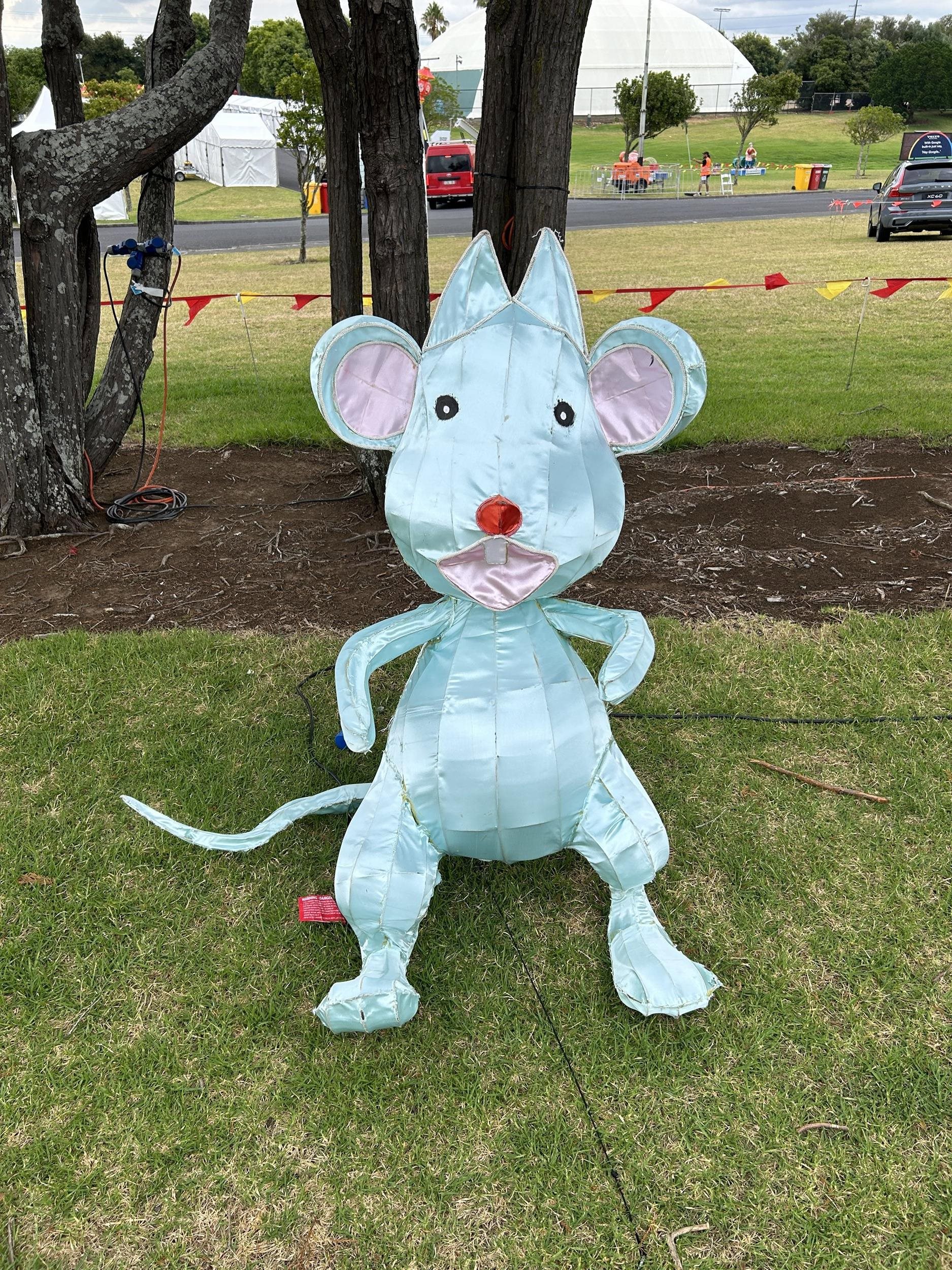
Rat
Birth years: 2020, 2008, 1996, 1984, 1972, 1960, 1948
The Rat occupies the first and most prominent position in the Chinese zodiac and is traditionally associated with intelligence, independence and adaptability. People born in the Year of the Rat are often described as observant and quick-witted, with strong curiosity and imagination.
In cultural tradition, the Rat symbolises resourcefulness and initiative. It is admired for its ability to recognise opportunity and respond creatively to change, and is often linked with clever problem-solving and social awareness.
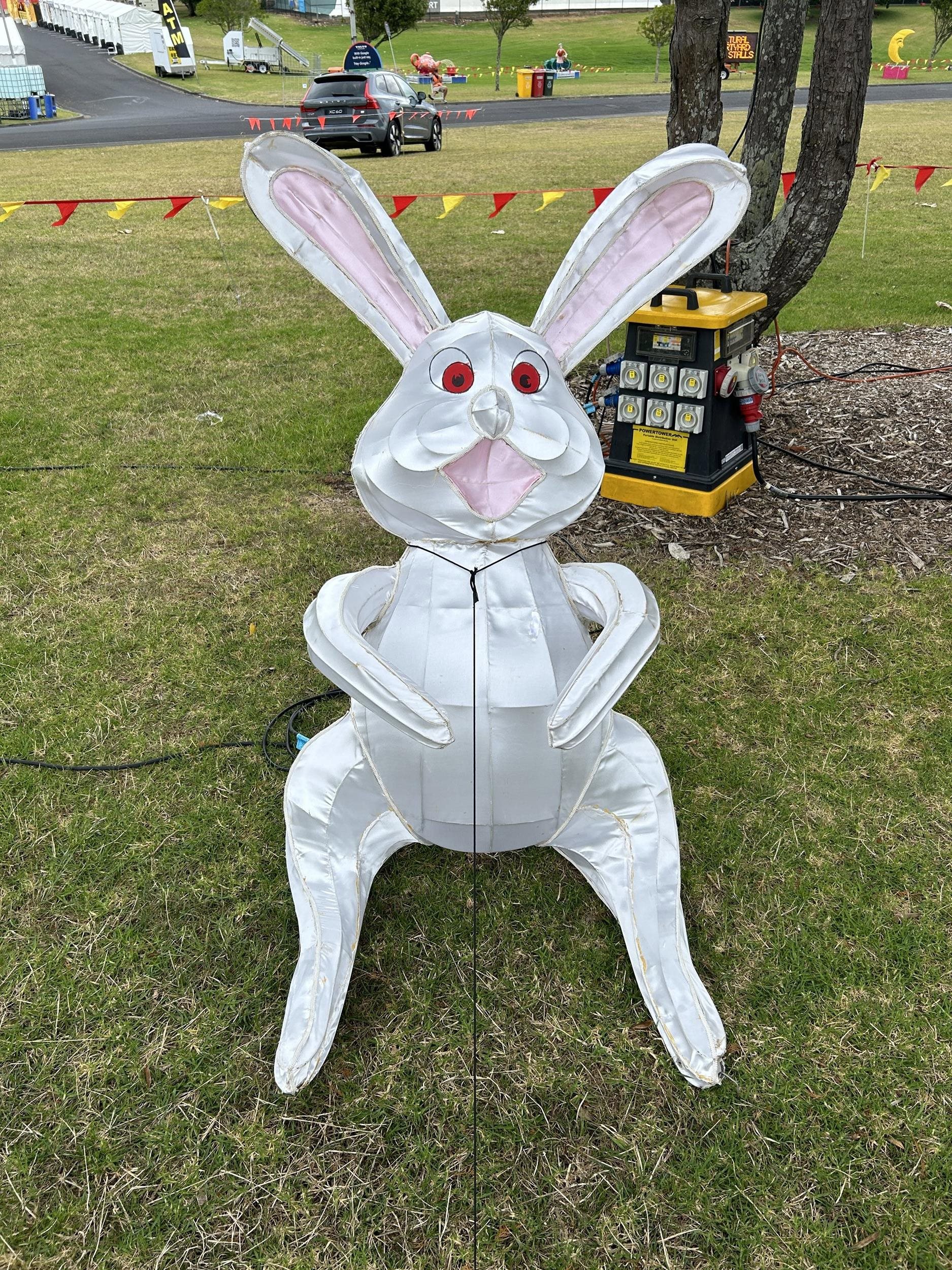
Rabbit
Birth years: 2023, 2011, 1999, 1987, 1975, 1963
The Rabbit is traditionally viewed as a gentle and refined sign, associated with grace, kindness and sensitivity. In Chinese culture, the Rabbit symbolises peace, harmony and careful thought.
It is often linked with an appreciation for home life, learning and considerate relationships. The Rabbit represents calmness and balance, and is admired for its thoughtful and diplomatic nature.
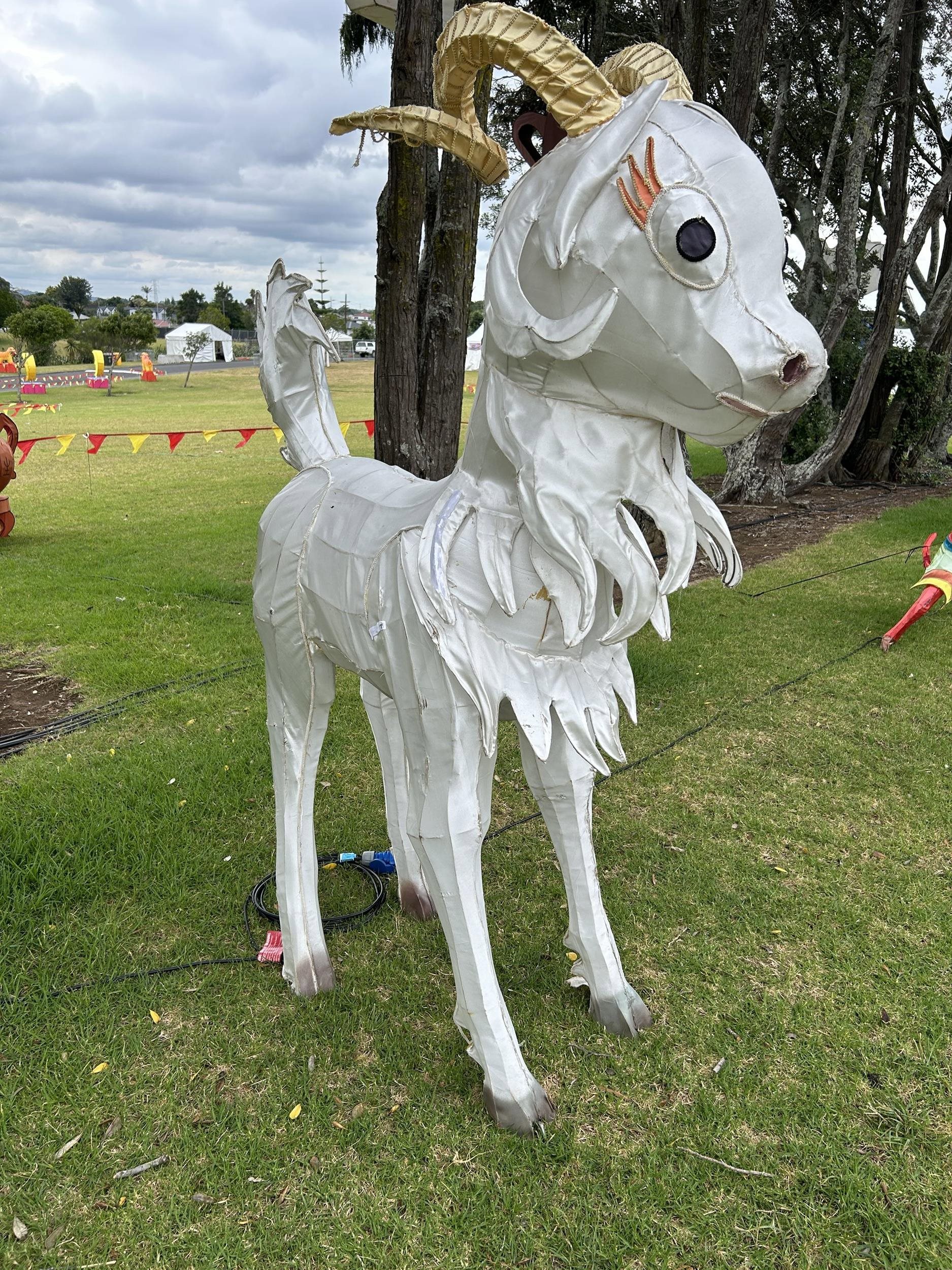
Goat
Birth years: 2015, 2003, 1991, 1979, 1967, 1955
The Goat, also known as the Sheep or Ram, is associated with kindness, creativity and sensitivity. In Chinese tradition, it symbolises compassion, harmony and artistic expression.
The Goat is admired for its gentle nature and appreciation of beauty. It represents cooperation, care for others and a preference for peaceful, balanced surroundings.
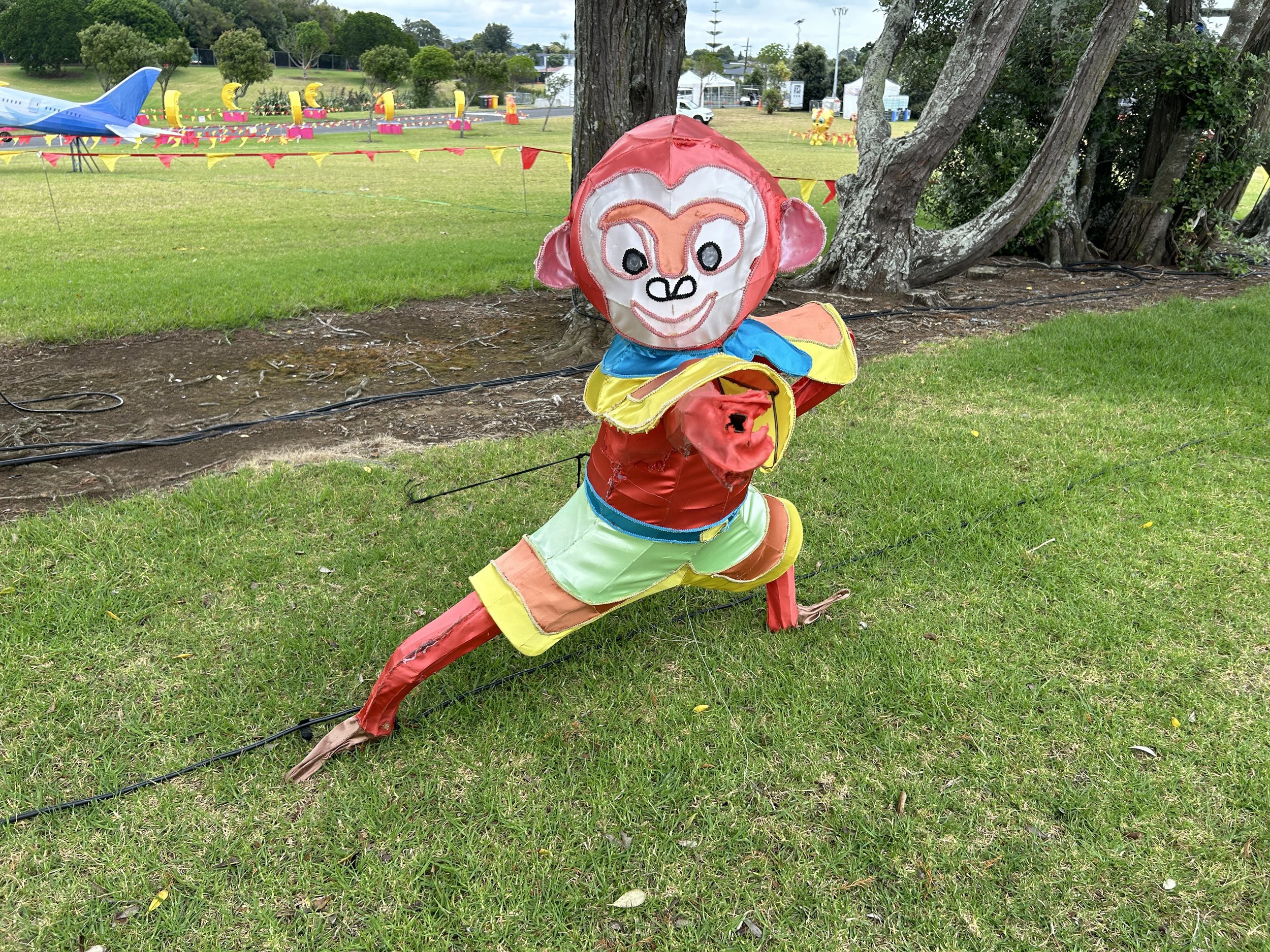
Monkey
Birth years: 2016, 2004, 1992, 1980, 1968, 1956
The Monkey is associated with curiosity, intelligence and adaptability. In Chinese culture, it symbolises cleverness, playfulness and quick thinking.
The Monkey is admired for creativity and versatility, often linked with problem-solving and innovation. Its lively spirit reflects curiosity and the enjoyment of learning and exploration.
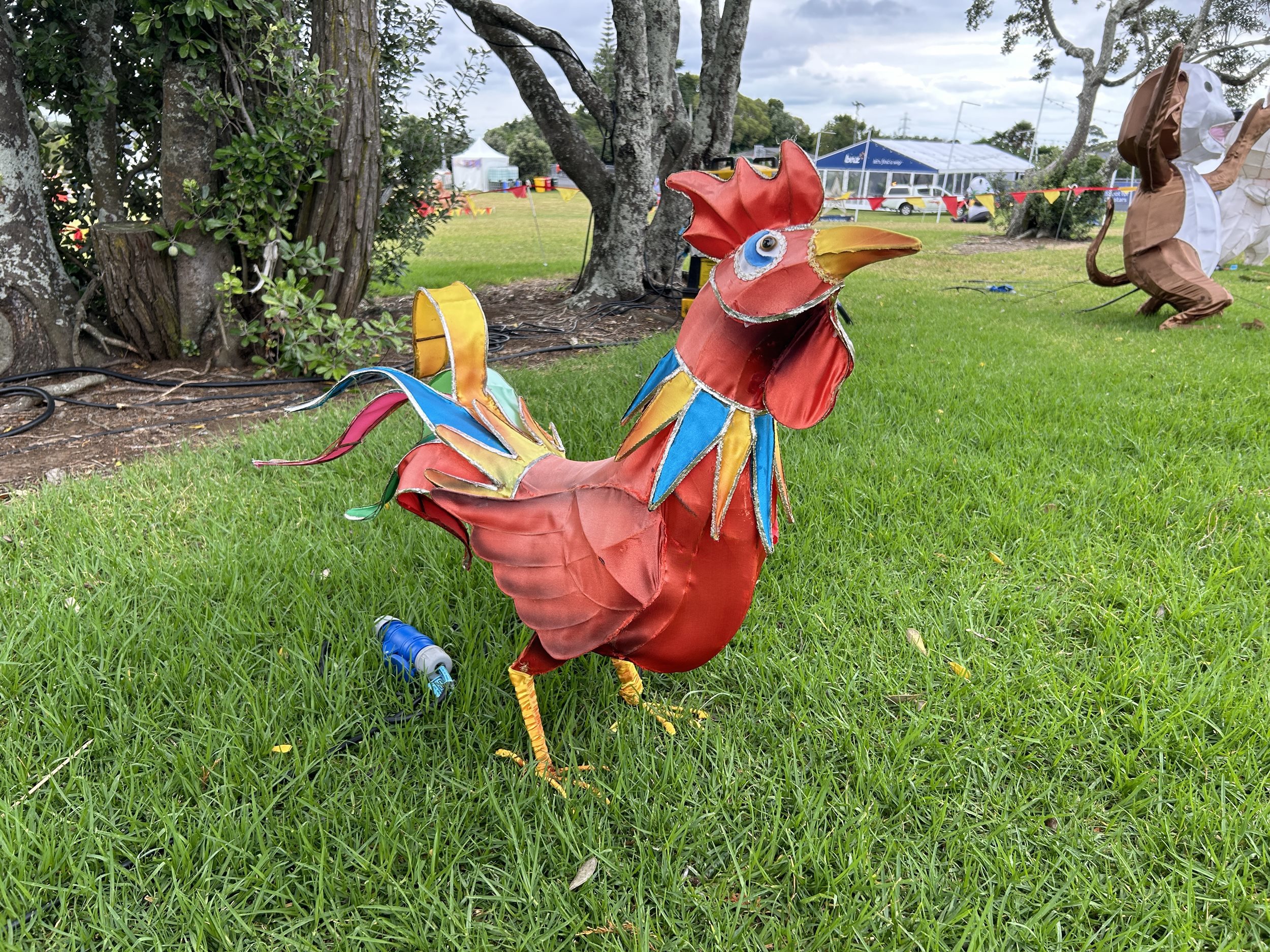
Rooster
Birth years - 2017, 2005, 1993, 1981, 1969, 1957
The Rooster symbolises confidence, honesty and organisation. Traditionally, it is admired for attentiveness, punctuality and pride in presentation.
In Chinese culture, the Rooster represents diligence and responsibility. It reflects careful planning, reliability and the importance of being prepared and attentive to detail.
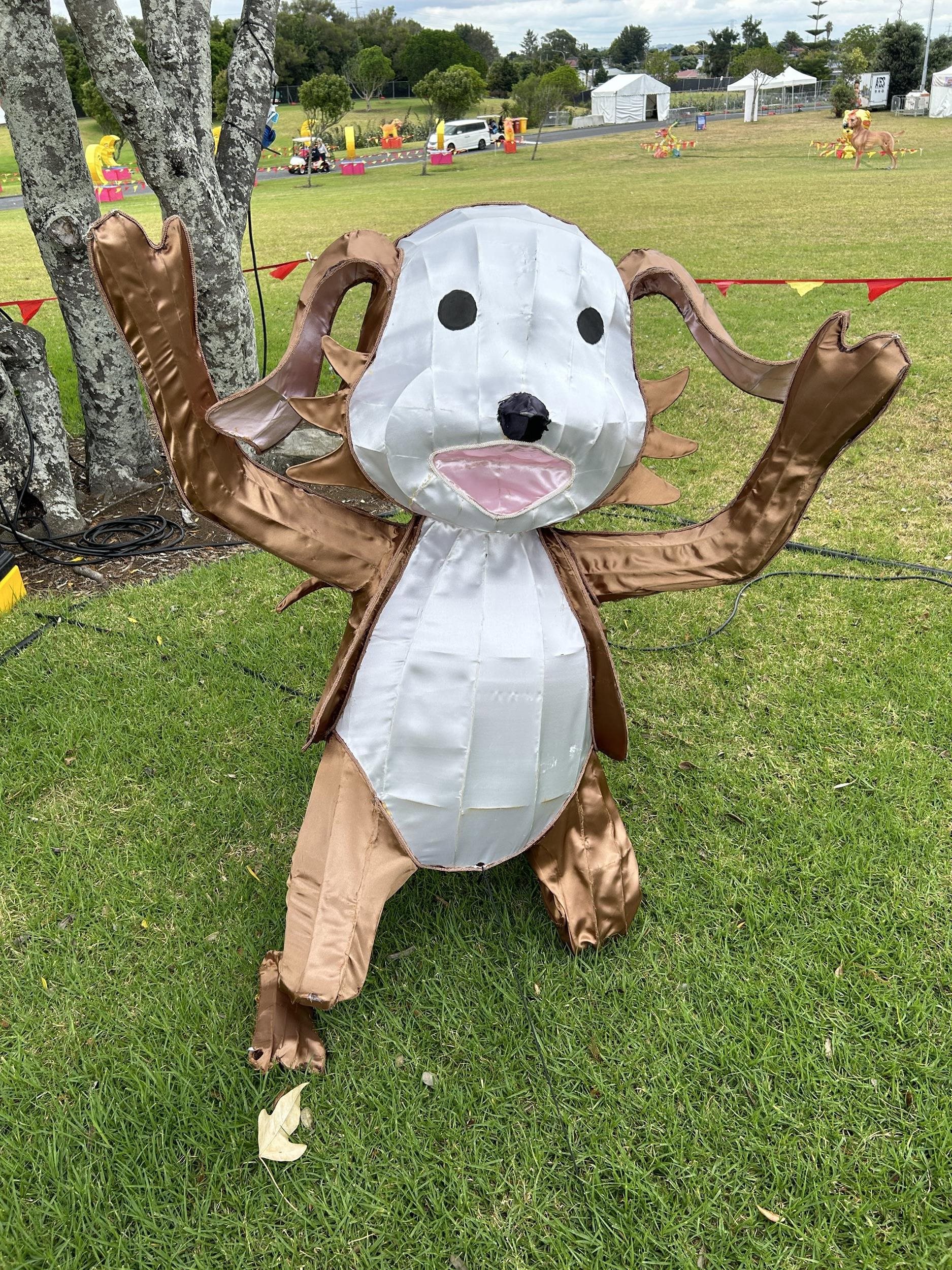
Dog
Birth years: 2018, 2006, 1994, 1982, 1970, 1958
The Dog represents loyalty, sincerity and care for others. In Chinese culture, it symbolises trust, fairness and protection.
The Dog is admired for faithfulness and a strong sense of responsibility. It reflects honesty, reliability and commitment to relationships and community.
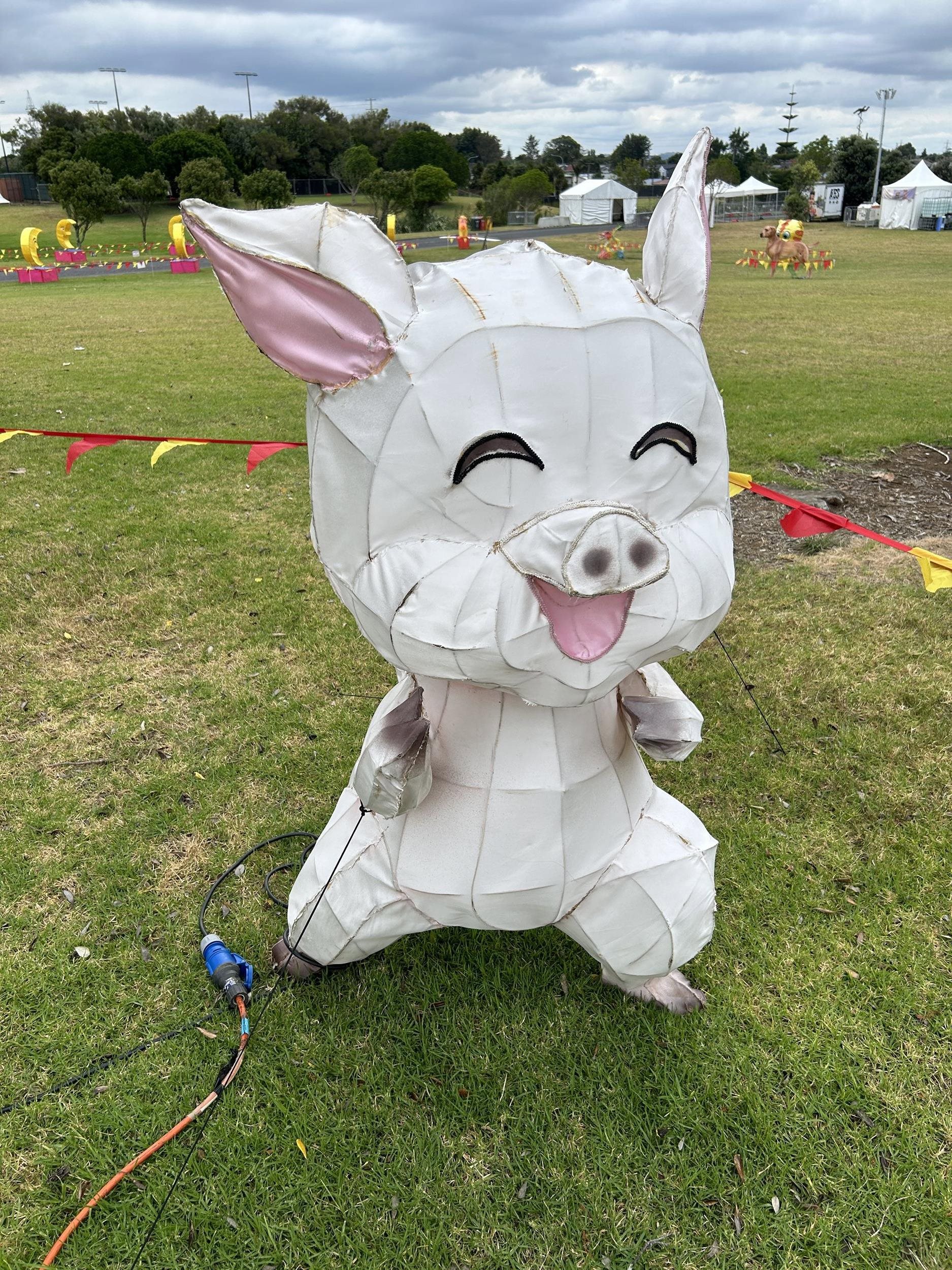
Pig
Birth years: 2019, 2007, 1995, 1983, 1971, 1959
The Pig is the final sign of the zodiac and symbolises generosity, honesty and comfort. In Chinese culture, it is associated with abundance, warmth and contentment.
The Pig represents kindness and enjoyment of life’s simple pleasures. It is admired for its sincerity and good-hearted nature.