Explored in long, languorous shots, Harasawa seems to be a town outside of time, its residents living in gentle symbiosis with their environment. But the community is thrust into a very specific present when representatives of Tokyo company Playmode arrive to fast-track a ruinous project in order to take advantage of post-pandemic government subsidies.
The film began life as a visual accompaniment to musical works by composer Eiko Ishibashi, who also worked with director Ryûsuke Hamaguchi on Drive My Car. Hamaguchi became so engaged with the themes he discovered in the musician’s work that the project evolved to a full-blown feature. But the DNA of a music-centred visual poem remains, brought to preternatural life by cinematographer Yoshio Kitagawa’s entrancing compositions.
Hamaguchi slowly steers the film away from simplistic morality tale, imbuing every character with such generous empathy that passing judgement becomes as difficult as untangling the interactions between culture and the natural world. Beautifully lensed and deliberately paced, Evil Does Not Exist starts as a gentle stroll through a world of flawed heroes, complicit victims, and vacillating villains, before pitching towards a startling crescendo. — Adrian Hatwell
Local tip
He tīwhiri mō te rohe
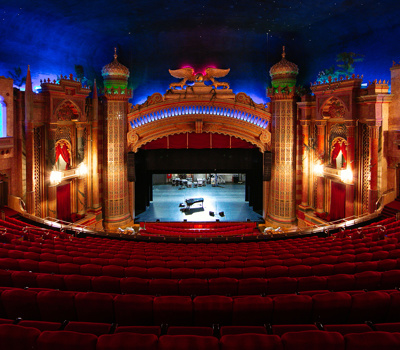
Make a night of it in the Aotea Arts Quarter. Aotea Square, Auckland Town Hall, Q Theatre and plenty of nearby dining options are all within a short walk of The Civic.
Getting there
Te huarahi ki reira
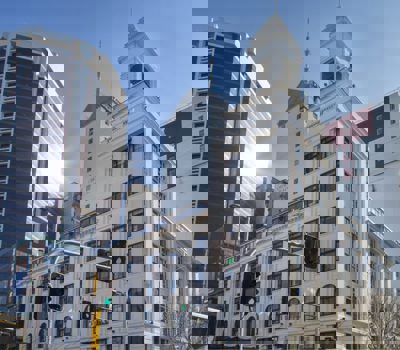
The Civic is on the corner of Queen and Wellesley Streets in the city centre. Te Waihorotiu Station is right nearby, making the train an easy option, while frequent bus services stop along Queen and Wellesley Streets. If driving, The Civic Car Park beneath Aotea Square is the closest parking option. For more transport information, check out our Getting Around page.