-
Author
Discover Auckland
-
Last updated
Mar 2026
-
Time to read
9 mins
Just a short ferry ride from downtown Auckland lies a string of spectacular islands, each offering a completely different experience.
On this 5 day island-hopping itinerary, you’ll start with the vineyards, beaches and dining scene of Waiheke Island before venturing further into the Hauraki Gulf for the wild beauty of Aotea Great Barrier Island and the conservation sanctuary of Rotoroa Island.
It’s the perfect escape for a long weekend or a slower-paced stop during a New Zealand holiday, combining great food and wine, outdoor adventure and peaceful nature experiences. Pack light, book your ferries in advance and prepare to slow down to island time!
Day 1: Arrive in Auckland and ferry to Waiheke Island
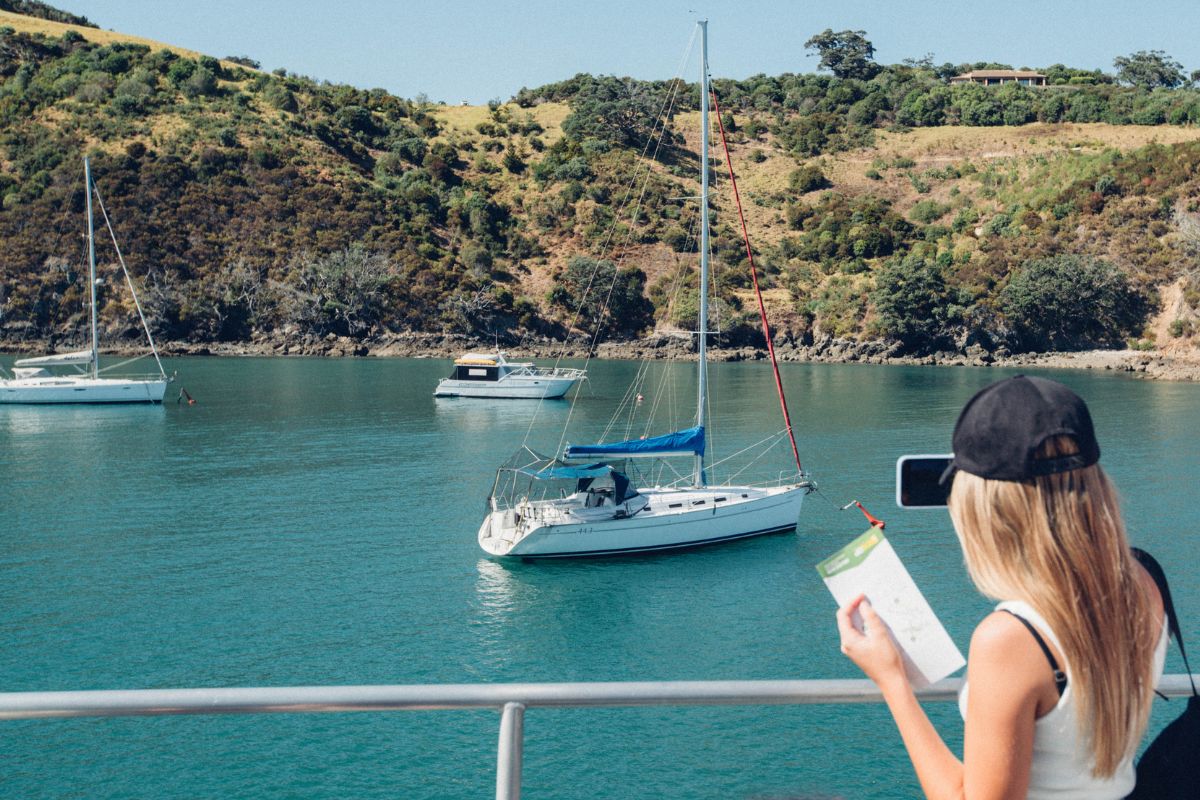
Your island escape begins at downtown Auckland’s ferry terminal, where regular ferries depart for Waiheke Island throughout the day. The trip across the Hauraki Gulf takes around 35 minutes, offering views of Rangitoto Island and Auckland’s Waitematā harbour along the way.
Three main operators service the route: Fullers360, Island Direct and SeaLink Travel Group. Fullers360 and Island Direct run frequent passenger ferries, while SeaLink also operates vehicle ferries if you plan to bring a car across to the island.
Once you arrive on Waiheke, you can easily explore by bus, taxi, rental car or e-bike. GO Rentals is a convenient local car hire option, or pedal your way across the island with eRide Waiheke, a fun way to explore vineyards and beaches.
Afternoon: Explore vineyards and coastal views
Waiheke is famous for its boutique vineyards and beautiful coastal scenery. A relaxed way to explore is by joining a guided tasting experience with Waiheke Wine Tours. Their curated tours introduce visitors to some of the island’s best wineries, paired with local food and incredible vantage points.
If you prefer to explore independently, start with a tasting at Man O' War Vineyards on the island’s north-eastern end, where wine flights and shared platters are served overlooking a stunning beach.
Or, if gin is your preferred tipple, visit Waiheke Distilling Co. Their small-batch spirits and gin tastings are enjoyed with breathtaking views across the harbour.
Dinner: A relaxed island evening
End your first evening with dinner at one of Waiheke’s favourite local institutions, The Oyster Inn in Oneroa, from award-winning Kiwi chef, Josh Emett. It’s known for fresh seafood, great cocktails and relaxed coastal charm.
Or head to The Heke Kitchen, Brewery & Distillery, where craft beer, woodfired pizza and garden seating make it a lively yet laid-back place to unwind after a day of exploring.
Where to stay on Waiheke Island
Waiheke offers everything from social backpacker stays to luxury villas. Budget travellers often choose Waiheke Backpackers Hostel, perched above Onetangi Beach. For something more indulgent, Delamore Lodge offers private suites, an infinity pool, extensive gardens and spectacular views over the Hauraki Gulf. Te Whau Lodge is also at the luxury end, with just four boutique suites, while Waiheke Island Resort is another reliable choice with pool, on-site restaurant and impressive ocean views.
Day 2: Beaches, adventure and island dining
Wake up to a slower island rhythm and spend the day exploring Waiheke’s natural beauty. For a unique perspective of the island’s landscape, try the zipline experience with EcoZip Adventures. Their tours send you gliding above native forest canopies before finishing with a nature walk through restored bush.
For an immersive look at the island, Terra & Tide runs small-group walking tours with experienced local guides, tailored to your interests, whether that's beaches and bush, vineyard visits, wildlife spotting or local art.
Afternoon: Long-lunching and beachside ambles
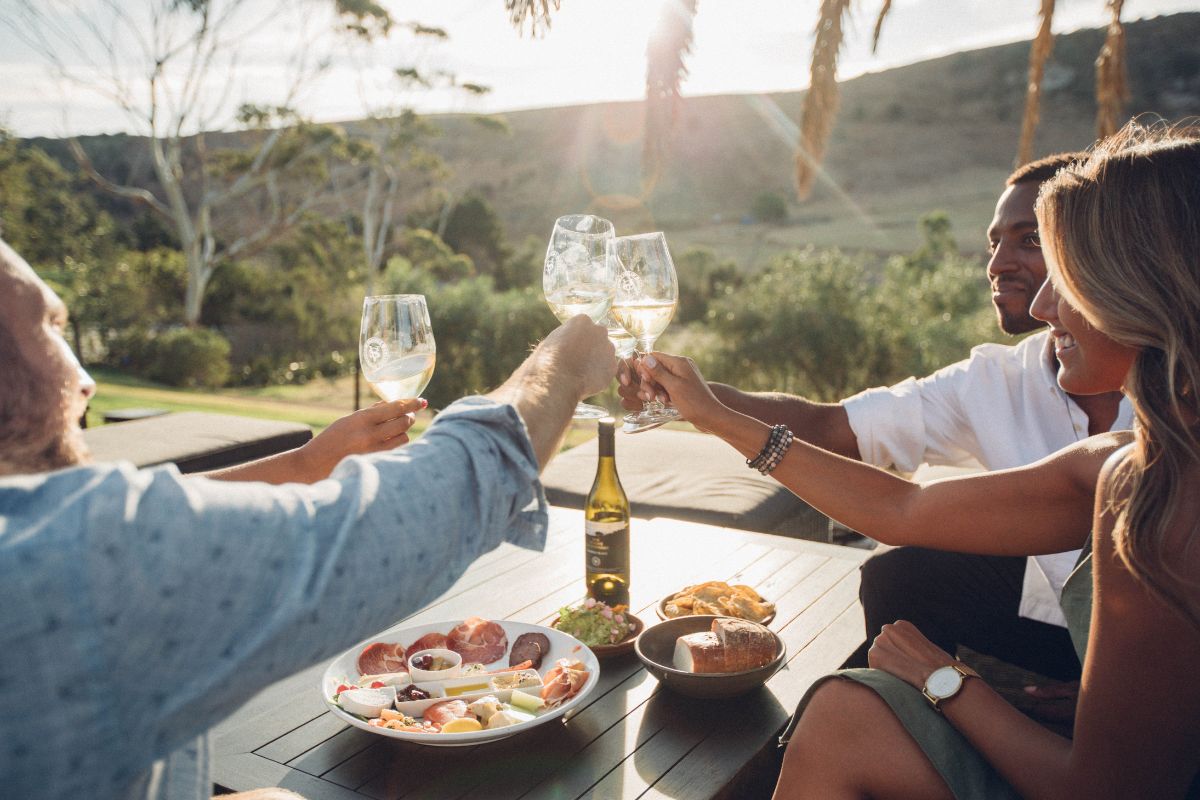
One of the great pleasures of Waiheke is lingering over a long vineyard lunch. Many of the island’s wineries have excellent restaurants where seasonal menus are designed to pair beautifully with estate wines. Think sun-drenched terraces, olive groves, and sweeping views across vines that roll down toward the sea. Some places to settle in for a memorable lunch include:
- Mudbrick Vineyard & Restaurant, one of the island’s most iconic dining destinations, known for refined cuisine, beautiful gardens and panoramic views across the Hauraki Gulf.
- Tantalus Estate, a stylish vineyard restaurant serving modern seasonal dishes alongside both wine and craft beer brewed onsite.
- Casita Miro, a vibrant Mediterranean-inspired spot famous for tapas, sangria and colourful tiled terraces overlooking the vines.
After lunch, take time to wander through Oneroa Village, browse local art galleries and boutiques, or stroll down to nearby Oneroa Beach for a swim.
Day 3: Journey to Aotea Great Barrier Island
.jpg)
After two relaxed days on Waiheke, it’s time to head further into the Hauraki Gulf. Aotea Great Barrier Island sits about 90 kilometres northeast of Auckland and offers a dramatically different experience – remote landscapes, dark sky reserves and rugged wilderness.
Largely off-grid, with no supermarkets and limited phone coverage, it's one of the last genuinely wild places within reach of a major New Zealand city. Ferries run from Auckland via SeaLink and are less frequent than Waiheke, so book ahead and check the schedule before you commit to dates. Travel times vary depending on the route and vessel, but allow around 4 hours.
It’s also possible to take a short flight with Barrier Air (approximately 30 minutes), leaving from Auckland Airport or North Shore Aerodrome.
Afternoon: Nature and coastal exploration
Spend your afternoon exploring the landscapes that make Great Barrier so special. One of the island’s most iconic short walks is the Windy Canyon Track. This relatively easy but memorable hike winds up through striking volcanic rock formations before reaching a lookout with panoramic views across the island’s rugged coastline.
If you’re keen to venture deeper into the wilderness, explore trails within Aotea Conservation Park; walking tracks here pass through ancient kauri forest, wetlands and dramatic ridgelines.
For a slower-paced afternoon, head to Oruawharo / Medlands Beach. Stretching for several kilometres along the island’s eastern side, it’s a fantastic spot for swimming in its calmer waters, surfing, beachcombing or simply relaxing with a book while waves roll onto the sand.
As evening approaches, make time for one of the island’s most magical experiences: a visit to Kaitoke Hot Springs. A 45-minute bush walk leads to a series of natural geothermal pools. Soaking in the warm mineral water beneath the forest canopy is the perfect way to unwind after a day of exploring.
With virtually no light pollution, Great Barrier is also recognised as an International Dark Sky Sanctuary, so if the skies are clear, spend some time stargazing after dinner. Or immerse yourself in the beauty of the cosmos, far removed from the city lights of Auckland, with Good Heavens Stargazing Experiences.
Where to stay on Aotea Great Barrier Island
Many accommodation options are small, locally run properties that reflect the island’s laid-back, off-grid character. Popular choices include Aotea Lodge, Tryphena House, Trillium Lodge, as well as one of the island’s several campgrounds. Currach Irish Pub is an institution on the island; you’ll find great food and fun at the pub, but also accommodation options from twin through to family rooms.
Day 4: Rotoroa Island
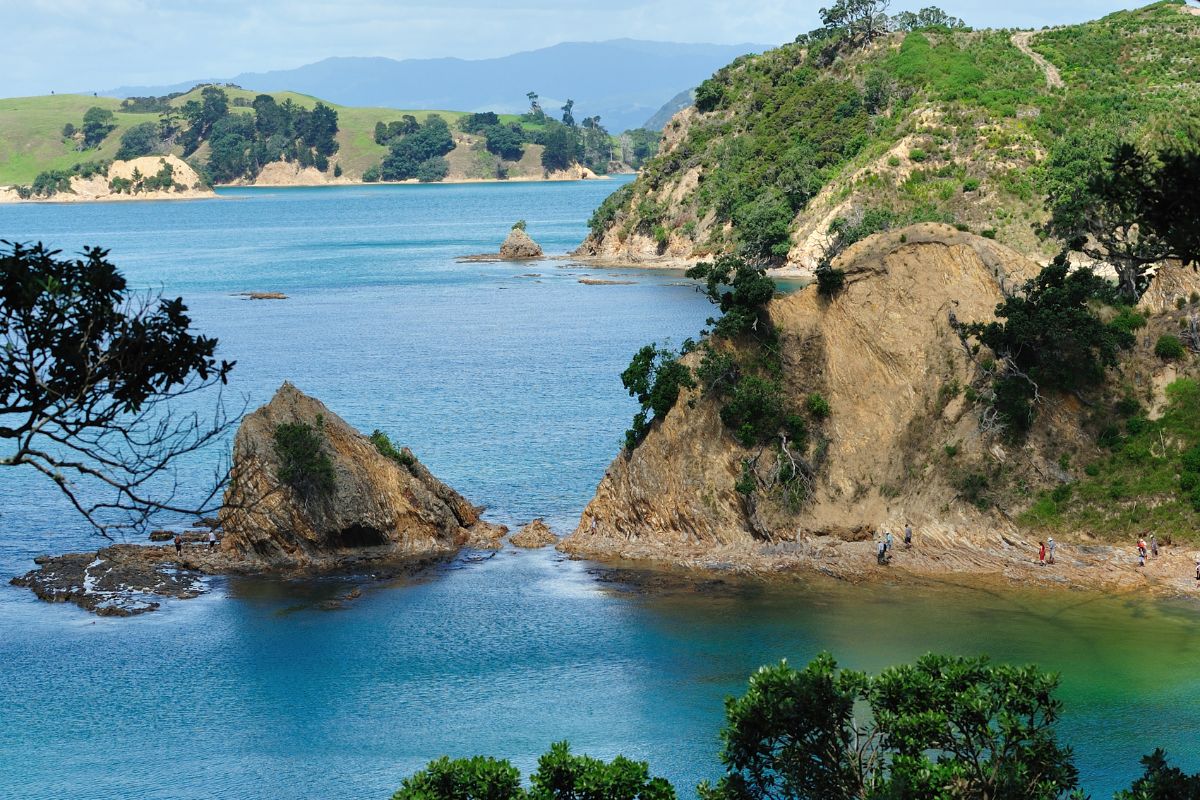
From Great Barrier, return to Auckland ferry terminal before jumping on an Explore Group ferry for an overnight stay on Rotoroa Island. Rotoroa Island is a peaceful conservation sanctuary where restored heritage buildings, native wildlife and scenic coastal tracks come together to create a uniquely reflective place to spend the night.
For more than a century, the island was home to a rehabilitation centre run by the Salvation Army. Today, it is carefully managed by the Rotoroa Island Trust, which has transformed the island into an ambitious conservation project focused on restoring native habitats and protecting endangered wildlife.
One of the best ways to discover the island is on a guided walk, which not only explores Rotoroa’s landscapes and wildlife, but also passes the beautifully restored historic schoolhouse, chapel and cottages while sharing the island’s fascinating social history.
Wildlife is a big part of the experience here. Rotoroa has become an important sanctuary for endangered native birds, and visitors may spot species such as takahē, kiwi, tīeke (saddleback) and pāteke (brown teal) as they wander the island’s trails.
When it’s time to relax, head down to Ladies Bay, a sheltered stretch of golden sand perfect for a swim, picnic or quiet moment overlooking the gulf. With limited visitors and no traffic, the island feels wonderfully calm, especially once the day-trippers have departed.
Because Rotoroa operates as a conservation site, it’s worth planning ahead before you arrive. Food options are limited. There is a small kiosk near the main visitor area that sells ice creams, ice blocks, cold drinks and a small selection of conservation books.
The kiosk typically opens about 90 minutes before the ferry departs. A fresh water drinking fountain is located beside the kiosk, where you can refill your own reusable water bottle.
You’ll need to bring your own meals, snacks and picnic supplies for the day, ideally packed in sealed containers. The island also follows a ‘pack in, pack out’ approach to waste to help protect wildlife and natural habitats. There are no rubbish bins on the island, so visitors are asked to take all rubbish away when you leave.
Staying overnight on Rotoroa Island
The island offers comfortable hostel accommodation in a heritage cottage, The Superintendent’s House, as well as a limited number of holiday homes, so you’ll want to secure your stay ahead of time.
Spending the night here is special, as evening falls, the island grows incredibly quiet, and you’ll often have the walking tracks, beaches and night skies almost entirely to yourself (be sure to listen out for kiwi outside your window). Wake up to native birdsong, rested and ready for your return to downtown Auckland.